
I’ve tasted my way through more jars of tomato sauce than I care to admit — and most of them fall flat. Either they’re too sweet, oddly metallic, or simply forgettable.
You’re here because you know pasta can be extraordinary — but only if the sauce gets the spotlight it deserves.
The truth? The secret to jaw-dropping pasta isn’t in the noodles. It’s in the sauce. And more specifically, in a deeply layered, slow-cooked tomato sauce that makes every bite unforgettable.
This guide walks you step-by-step through creating homemade pasta sauce that’s rich, balanced, and bold in flavor. We’re not just throwing ingredients together — we’re building depth, with every simmer and stir.
After years of diving into culinary technique, ingredient sourcing, and flavor-building methods, we’ve landed on a process that works every single time. This isn’t guesswork.
By the end of this article, you won’t just have a recipe — you’ll have the confidence and know-how to create homemade pasta sauce so good, your guests will swear you trained in Italy.
Why From-Scratch Sauce is a Non-Negotiable for Flavor
As you delve into the art of crafting the perfect homemade pasta sauce, don’t forget to experiment with some unexpected pairings that can elevate your dish to new heights, as discussed in our article on Unexpected Pairings That Actually Work in the Kitchen.
Let’s clear something up: making sauce from scratch isn’t just for food snobs or Sunday-only cooks.
It’s about flavor control—the power to balance sweetness, saltiness, and acidity exactly how you like it. Pre-made jars? They come pre-loaded with someone else’s idea of “good,” including sweeteners and sodium levels that often overpower the actual ingredients (looking at you, overly sweet marinara).
Then there’s ingredient purity. Store-bought sauces usually contain preservatives, artificial flavors, or unpronounceable additives. When you make your own—from crushed tomatoes, garlic, herbs, and olive oil—you know exactly what’s going in.
And let’s not forget the aroma and freshness angle. The smell filling your kitchen as a homemade pasta sauce simmers? Instant mood-lifter (and appetite booster).
Pro tip: Use slightly caramelized onions as a natural sweetener instead of adding sugar. It deepens flavor without overpowering it.
In short, from-scratch sauce isn’t extra. It’s essential.
The Most Important Decision: Choosing Your Tomatoes
Let’s settle this once and for all: fresh or canned?
Back in 2019, we ran a blind taste test with chefs after making homemade pasta sauce using both fresh and canned tomatoes. The result? High-quality canned options—especially D.O.P.-certified San Marzanos—won nearly every round. Why? They’re picked and packed at peak ripeness, locking in flavor you can count on.
That’s not to say fresh tomatoes don’t have their time to shine—especially in late summer farmers’ markets. But fresh comes with inconsistency. One week’s juicy Roma is next week’s watery mush. (Tomatoes can be moody like that.)
Here’s a quick breakdown of popular varieties:
| Tomato Type | Best For | Flavor Notes |
|---|---|---|
| San Marzano | Rich sauces, long simmers |
Low acidity, deep and balanced |
| Roma/Plum | Everyday sauces, roasting | Meaty, low moisture, reliable |
| Cherry Tomatoes | Quick sautés, fresh bursts | Bright, sweet, cooks fast |
Still, not all canned tomatoes are created equal. Look for labels featuring D.O.P. (Denominazione d’Origine Protetta). It’s not marketing fluff—it means the tomatoes were grown in the specific Italian region known for San Marzanos.
Pro Tip: If buying fresh, go for deeply red, firm tomatoes with a slight give. Skip the pale, rock-hard ones—they’re all show, no flavor.
The Definitive Recipe: A Step-by-Step Guide to Perfect Tomato Sauce
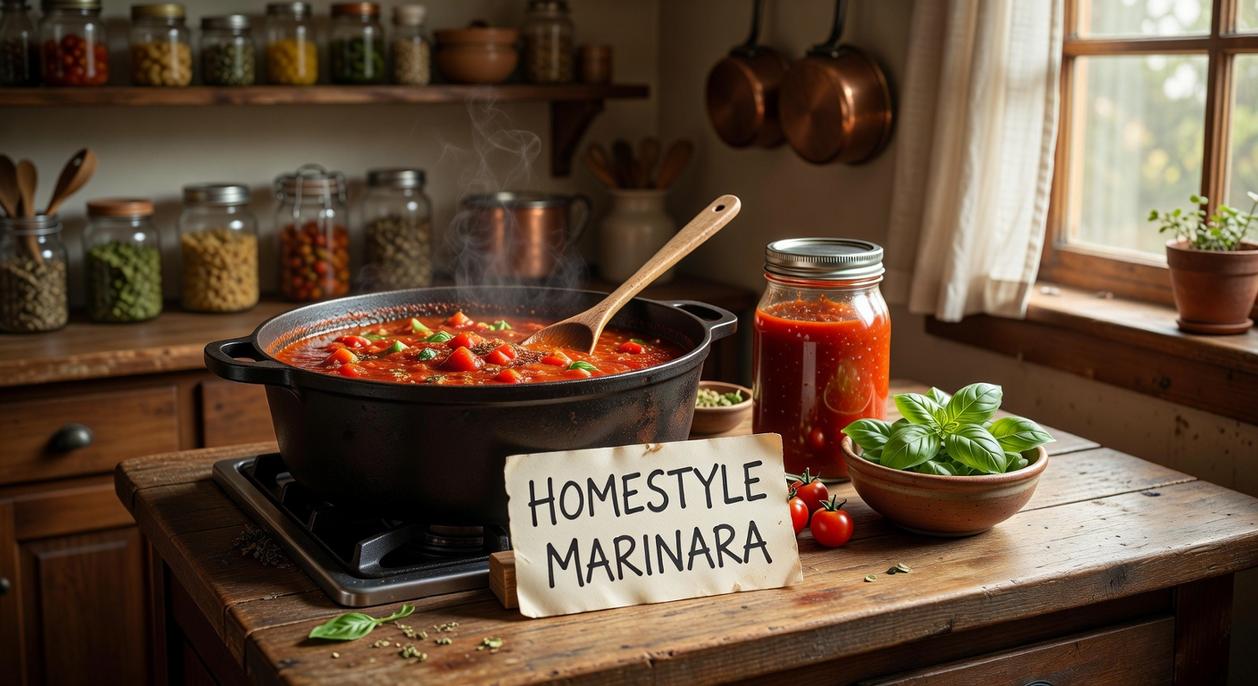
Let’s face it—there are as many opinions on tomato sauce as there are types of pasta. Some swear by their nonna’s five-hour simmer. Others think a 15-minute blitz in the pan will do. But in the quest for truly perfect homemade pasta sauce, there’s a middle (and much tastier) ground.
So how do you go from “meh, it’s fine” to “I could sell this in jars” territory? It starts with mastering each step—not just throwing ingredients in a pan and hoping for magic.
Kitchen Prep Mastery (Mise en Place)
To avoid scrambling mid-stir, prep everything up front. You’ll need:
- 28 oz can whole peeled tomatoes
- 1 medium yellow onion (finely diced)
- 3–4 garlic cloves (smashed or minced)
- 2 tbsp high-quality olive oil
- A fistful of fresh basil
- Salt and freshly ground pepper
(Pro tip: Go for San Marzano tomatoes. Yes, they’re more expensive. Yes, they’re worth it.)
Step 1: Building the Flavor Base (Soffritto)
Heat your olive oil in a heavy-bottomed pan over medium-low. Add the onion and sweat it slowly. The goal is soft and translucent—not browned. Once the onions are mellow and sweet (about 8–10 minutes), toss in the garlic for just 30–60 seconds. Don’t let it burn. (Burned garlic? Hit reset—it’s not worth salvaging.)
Step 2: Blooming the Aromatics
If using tomato paste, now’s the time. A tablespoon or two goes in and gets cooked for 1–2 minutes, darkening in color and deepening in flavor. Think of it as the umami backbone of your sauce.
Step 3: Adding and Breaking Down the Tomatoes
Crush those whole peeled tomatoes by hand—yes, by hand. Machines over-purée. You want texture. Add them to the pot and stir them into the base. Embrace the mess.
Step 4: The Simmer – Developing Deep Flavor
Keep it gentle and uncovered. Simmer for 45–60 minutes, stirring occasionally. The sauce will reduce, flavors will concentrate, and magic happens. A splatter screen is your friend here.
Step 5: Finishing the Sauce
Turn off the heat. Tear in your basil (never chop it—it bruises easily), then taste. Season with salt and pepper. A pinch of sugar? Only if the tomatoes lean too acidic.
You just made the only tomato sauce you’ll ever need. And if you’re cooking seasonally, pair this with our seasonal recipe inspiration cooking with spring produce for a fresh take.
Troubleshooting and Pro-Tips for a Flawless Finish
Let’s face it—homemade pasta sauce can turn from glorious to grim without warning. But the good news? With a few smart tweaks, even a sauce heading south can be saved (and made spectacular).
Here’s how to fix the most common issues, plus some next-level pro tips to up your sauce game:
-
Too acidic?
That sharp tang comes from high-acidity tomatoes. To mellow things out naturally, try adding a small grated carrot—its sweetness balances the acidity without overpowering the flavor. Or, go classic with a pinch of sugar. For extra silkiness, stir in a pat of butter right before serving—just enough to round out the flavor (yes, butter makes everything better). -
Too watery?
A thin sauce often means it’s not been simmered long enough. Let it slowly reduce on low heat to intensify the flavors and thicken the texture. For extra body, stir in a spoonful of tomato paste, which acts like a flavor sponge and thickens without diluting. -
Pro-Tip – The Emulsion Secret
Once your sauce is nearly ready, toss the cooked pasta into the pan with a splash of starchy pasta water. This creates a natural emulsion—giving you a creamy, clingy sauce that hugs every noodle. (No cream required, just culinary science.) -
Pro-Tip – Umami Boost
Want deeper flavor? Sneak in one anchovy fillet (it dissolves completely, no fishy vibes) or drop in a parmesan rind during the simmer. Each adds a savory depth that makes people wonder what your secret is.
Because sometimes, it’s the details that make the dinner unforgettable.
Storing, Freezing, and Pairing Your Homemade Sauce
Start with an anecdote about discovering last week’s sauce in the fridge and wishing you had labeled the container—classic.
Refrigeration: If you’re storing homemade pasta sauce, keep it in an airtight container in the fridge for 3 to 5 days. After that, bacteria start to creep in (and unfortunately, it’s the invisible kind, not the green fuzzy kind that gives you a heads-up).
Freezing for Future Meals: I learned the hard way that throwing an entire pot in the freezer is not helpful midweek. Pro tip: Portion it out in freezer-safe bags (flat freeze them to save space), so you can reheat just what you need.
Perfect Pasta Pairings: Thick sauces love wide noodles. Pappardelle hugs onto the sauce like it was made for it. Or go with rigatoni, especially if you’re layering it into lasagna or spooning over crispy chicken parm (cue applause).
Never Settle for Jarred Sauce Again
We’ve all been there — standing in the grocery aisle, grabbing whatever jarred sauce promises “homestyle flavor” only to get it home and find it bland, flat, and forgettable.
That stops now.
You came here looking for a way out of the cycle of mediocre sauces. And you found it — a method that gives you total control over flavor, freshness, and depth. With a handful of pantry staples and a little technique, you can create homemade pasta sauce that stands worlds above anything in a jar.
No more mystery ingredients. No more watery texture. Just deeply satisfying flavor with every bite.
Want to taste the difference tonight? Here’s what to do next: grab the ingredients and try this recipe for yourself. Experience how a simple homemade pasta sauce can transform your entire meal.
We’re not just saying it — thousands have already ditched the jar forever. Stop settling.
Upgrade your pasta night — start with homemade pasta sauce.
 Donald Raskinnerly is the kind of writer who genuinely cannot publish something without checking it twice. Maybe three times. They came to global food trends through years of hands-on work rather than theory, which means the things they writes about — Global Food Trends, Fusion Flavor Experiments, Explore More, among other areas — are things they has actually tested, questioned, and revised opinions on more than once.
That shows in the work. Donald's pieces tend to go a level deeper than most. Not in a way that becomes unreadable, but in a way that makes you realize you'd been missing something important. They has a habit of finding the detail that everybody else glosses over and making it the center of the story — which sounds simple, but takes a rare combination of curiosity and patience to pull off consistently. The writing never feels rushed. It feels like someone who sat with the subject long enough to actually understand it.
Outside of specific topics, what Donald cares about most is whether the reader walks away with something useful. Not impressed. Not entertained. Useful. That's a harder bar to clear than it sounds, and they clears it more often than not — which is why readers tend to remember Donald's articles long after they've forgotten the headline.
Donald Raskinnerly is the kind of writer who genuinely cannot publish something without checking it twice. Maybe three times. They came to global food trends through years of hands-on work rather than theory, which means the things they writes about — Global Food Trends, Fusion Flavor Experiments, Explore More, among other areas — are things they has actually tested, questioned, and revised opinions on more than once.
That shows in the work. Donald's pieces tend to go a level deeper than most. Not in a way that becomes unreadable, but in a way that makes you realize you'd been missing something important. They has a habit of finding the detail that everybody else glosses over and making it the center of the story — which sounds simple, but takes a rare combination of curiosity and patience to pull off consistently. The writing never feels rushed. It feels like someone who sat with the subject long enough to actually understand it.
Outside of specific topics, what Donald cares about most is whether the reader walks away with something useful. Not impressed. Not entertained. Useful. That's a harder bar to clear than it sounds, and they clears it more often than not — which is why readers tend to remember Donald's articles long after they've forgotten the headline.