
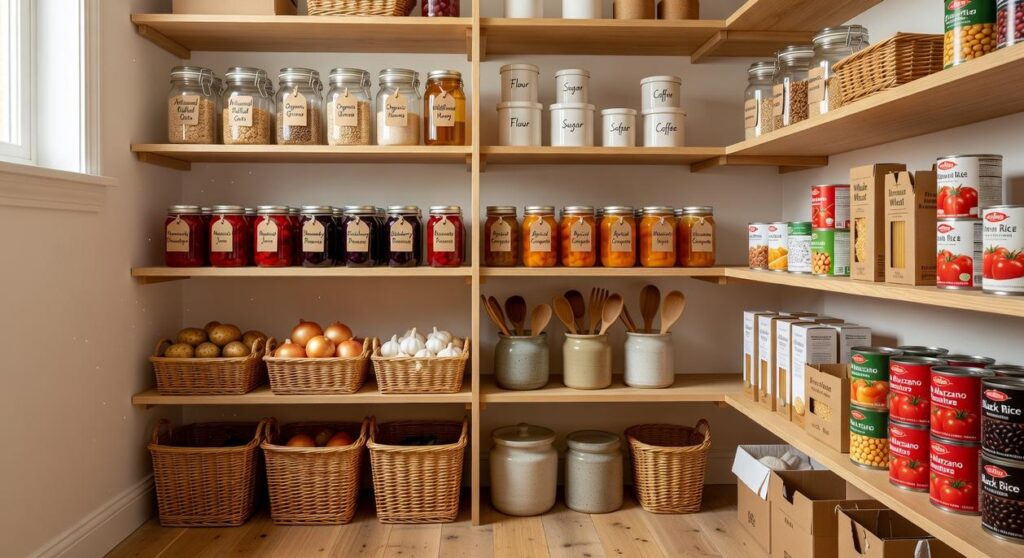
You’re probably here because your fridge is a mystery zone of wilted greens, mushy berries, and forgotten herbs—and every time you toss them out, it feels like you’re dumping dollars in the trash. You’re not alone. Most people don’t know how to properly store their fresh produce, and it’s costing more than they realize.
Good news: fixing that starts today.
We’ve taken years of experience in the kitchen and paired it with real food science to create this produce storage guide. It’s a room-by-room breakdown that shows you exactly where each fruit and vegetable belongs—so you can stop guessing, start saving money, and finally enjoy your food at peak flavor.
This isn’t a list of common sense tips you already know. It’s a system that actually works.
You’ll come away knowing what belongs in the fridge, what thrives on the counter, how to store trickier items like herbs and mushrooms, and most importantly—why it works. Simple steps, big results: less waste, more taste, and savings you’ll feel every week.
The 3 Golden Rules of Produce Storage
For those keen on preserving the vibrant flavors of their farm-fresh finds, mastering the art of produce storage can not only enhance shelf life but also influence how we appreciate and share culinary experiences in an era where, as we explore in our article on How Social Media is Shaping Modern Culinary Trends, the presentation and accessibility of food play pivotal roles.
Let’s face it: wilted herbs and mushy berries are not the vibe. But storing produce the right way? Game-changer. Here’s your at-a-glance produce storage guide—complete with science-backed logic and everyday fixes.
-
Wash on Demand
Moisture is freshness’s frenemy. Pre-washing causes lingering dampness, which leads to mold, sogginess, and bacterial growth (yep, that fuzzy strawberry situation). Exception: Leafy greens can be washed first if you dry them thoroughly with a salad spinner or paper towels. -
Give Your Produce Breathing Room
Tightly packed drawers = micro-humidity chambers. Crowded storage traps air, raises moisture levels, and speeds up spoilage. Pro tip: Remove fruits and veggies from tight plastic bags and use mesh or perforated containers to increase airflow and extend freshness. -
Separate the Bullies from the Bunch
Some fruits release ethylene gas, a natural ripening agent. Apples, bananas, and avocados are top emitters. If stored near sensitive veggies like lettuce or cucumbers, they’ll cause premature wilting (it’s not sabotage—it’s chemistry). Store ‘em separately to play it safe.
Your fridge isn’t just cold storage—it’s flavor insurance.
The Refrigerator: Your Crispness Command Center
Let’s be honest—those drawers at the bottom of your fridge? Most of us use them as the “where veggies go to die” zone.
But mastering them just takes a bit of know-how (think of them as your fridge’s secret weapon). Here’s the deal: your refrigerator comes with two main settings down there—high-humidity and low-humidity—and using the right one can mean the difference between limp spinach and a week of salad success.
High-Humidity Drawer: For the Wilters
This setting traps moisture inside, making it great for leafy greens (like spinach, kale) and hydration-loving veggies such as carrots, broccoli, cauliflower, green beans, and herbs like parsley or cilantro. These items dry out fast—unless you’re cradling them in the right climate.
Pro tip: Wrap herbs in a damp paper towel and place them inside a loosely closed bag before storing them in the high-humidity drawer. They’ll think they’re back in the garden.
Low-Humidity Drawer: For the Rotters
Low humidity lets moisture escape, which helps keep produce that emits ethylene gas (a ripening hormone) from rotting too quickly. Think apples, pears, grapes, citrus fruits, and ripe avocados. This drawer keeps gases from speeding up spoilage—which, yes, totally happens while you’re busy forgetting what’s in there.
Beyond the Drawers
- On the Shelves: Store berries in a single layer, unwashed, and mushrooms in a paper bag to prevent sogginess. Anything that doesn’t fit in your drawers? It lives here.
- Fridge Door: It’s the warmest spot. Skip produce here—it’s best for condiments and less fragile items.
Save or screenshot this produce storage guide:
High-Humidity Drawer (for things that wilt): Leafy greens (kale, spinach), herbs (parsley, cilantro), carrots, broccoli, cauliflower, green beans.
Low-Humidity Drawer (for things that rot): Most fruits like apples, pears, grapes, and citrus. Also, ethylene-producing items that need refrigeration (e.g., ripe avocados, apples).
Used wisely, your fridge turns into the produce-preserving powerhouse it was meant to be—no shriveled kale or mystery citrus left behind.
The Countertop & Pantry Crew: When to Avoid the Cold
It’s tempting to toss everything in the fridge and call it a day. Cold equals fresh, right? Not always.
There’s a whole produce storage guide worth of foods that lose quality when chilled. And while most sites touch on the basics, here’s what they’re not telling you: temperature isn’t the only villain—moisture, gas release, and texture chemistry are all in on it too.
Let’s break it down.
Tomatoes hate the chill
Refrigeration halts their ripening and breaks down cell walls, leaving you with a mealy bite and dull flavor (basically, tomato sadness). Keep them stem-side down on the counter instead—this minimizes air exposure and slows softening.
Potatoes + Cold = Sugar Confusion
Most people know you shouldn’t refrigerate potatoes. But why? Cold turns their starches into sugars, which wrecks their earthy flavor and messes up browning during cooking (ever had oven fries that turned weirdly sweet?). Store them in a dark pantry in breathable bags.
Onions + Garlic need their space
They’re pantry staples for a reason, but here’s what other guides often skip: they need airflow. Storing in plastic traps moisture, encouraging mold. And keeping them near potatoes? Big no. Potatoes release moisture and gas that accelerates spoilage.
Pro Tip: Mesh baskets or brown paper bags are underrated heroes for storing these guys.
Bananas behave better on the counter
Cold interrupts their ripening magic (ethyl gas production, if you’re curious). Once ripe, you can refrigerate—but expect the peel to turn brown. The inside’s still good, though! (Yes, black-peel banana is perfectly fine on toast.)
Avocados walk a fine line
Let them soften on the counter. Once ripe, refrigerate to hit pause (for maybe 2–3 days max). Beyond that, even the fridge can’t save your guac dreams.
This isn’t just about flavor—it’s about cooking confidence. Knowing where your produce lives best helps you prep smarter and waste less.
Want to level up from storage basics to prepping mastery? Check out knife skills 101 chopping techniques for home cooks next.
The Ethylene Gas Dilemma: A Simple Separation Guide
Here’s my personal take—if you’ve ever found your spinach slimy two days after buying it, or your carrots mysteriously rubbery, don’t blame the vegetables. Blame the bananas.
Ethylene gas is a naturally occurring plant hormone, and while that sounds harmless (even a bit earthy and charming), it’s actually a silent saboteur in your fridge. It speeds up ripening—great for avocados, disastrous for kale.
Some fruits are the overachievers here: apples, bananas, tomatoes, avocados, peaches, plums, cantaloupe. I call them The Ripeners. They’re basically performance enhancers for whatever is nearby.
Then you’ve got the delicate crowd: leafy greens, broccoli, asparagus, carrots, cucumbers, sweet potatoes. These are Highly Ethylene Sensitive, and when kept near The Ripeners, they spoil faster than plot twists in a streaming thriller.
Here’s my rule (and I stick to it): produce storage guide. It’s not fancy—just store The Ripeners separately from the sensitive ones. Use different drawers, bowls, even windowsills if you’re desperate. (Trust me, your salad will thank you.)
Kitchen Prep Mastery: Pro Hacks for Common Items
Not all produce is created equal—and neither is how you store it.
Let’s do a quick fridge fight to compare the best ways to make your kitchen staples last longer (and avoid that sad moment when your leafy greens turn to mushy soup).
Herbs (CILANTRO vs PARSLEY):
Both herbs benefit from hydration, but parsley tends to be hardier than cilantro. Think of cilantro like the pop star with diva-level demands—it wilts fast. Trim the stems and place them in a jar with an inch of water, like a bouquet of flowers. Cover loosely with a plastic bag in the fridge. This method gives both herbs a fighting chance, but parsley usually outlasts cilantro in the freshness game.
ASPARAGUS vs SCALLIONS:
Both want standing water—but location changes the game. Asparagus likes the fridge for maximum crispness. Scallions? Leave them on a windowsill, root-side down in a water jar. One enjoys chill vibes, the other basks in the sun. (Basically the spa-goer vs. the sun-chaser.)
CELERY vs PLASTIC BAG:
Winner? Not even close. Ditch the plastic bag. Wrap the entire stalk tightly in aluminum foil. It will stay crisp for weeks. (Mic drop.)
BERRIES vs MOLD:
Use this produce storage guide: Give them a diluted vinegar bath (1 part vinegar, 3 parts water) before storing to kill mold spores. Dry completely before refrigerating.
Pro Tip: Don’t store fruits and vegetables together. Many fruits release ethylene gas (like apples) which speeds up ripening—and spoilage—for nearby veggies.
Your Path to a Fresher, Less Wasteful Kitchen
No one likes opening the fridge to find wilted herbs, soggy berries, or greens that turned to mush. For too long, storing produce felt like a guessing game—and your grocery bill paid the price.
That’s why we created the produce storage guide—your go-to playbook for keeping fruits and vegetables fresh longer, whether they live on the counter or in the crisper drawer.
You came here looking for smarter ways to cut down on food waste and save money. Mission accomplished.
Now that you understand how temperature, humidity, and ethylene gas affect your produce, you can make storage decisions that work with nature, not against it.
Here’s your next step: Pick just one tip from the produce storage guide—like wrapping celery in foil or keeping apples separate from carrots—and try it today. You’ll see fresher food by tomorrow.
You’re done guessing. You’re ready to take control of your kitchen and your food budget.
 Donald Raskinnerly is the kind of writer who genuinely cannot publish something without checking it twice. Maybe three times. They came to global food trends through years of hands-on work rather than theory, which means the things they writes about — Global Food Trends, Fusion Flavor Experiments, Explore More, among other areas — are things they has actually tested, questioned, and revised opinions on more than once.
That shows in the work. Donald's pieces tend to go a level deeper than most. Not in a way that becomes unreadable, but in a way that makes you realize you'd been missing something important. They has a habit of finding the detail that everybody else glosses over and making it the center of the story — which sounds simple, but takes a rare combination of curiosity and patience to pull off consistently. The writing never feels rushed. It feels like someone who sat with the subject long enough to actually understand it.
Outside of specific topics, what Donald cares about most is whether the reader walks away with something useful. Not impressed. Not entertained. Useful. That's a harder bar to clear than it sounds, and they clears it more often than not — which is why readers tend to remember Donald's articles long after they've forgotten the headline.
Donald Raskinnerly is the kind of writer who genuinely cannot publish something without checking it twice. Maybe three times. They came to global food trends through years of hands-on work rather than theory, which means the things they writes about — Global Food Trends, Fusion Flavor Experiments, Explore More, among other areas — are things they has actually tested, questioned, and revised opinions on more than once.
That shows in the work. Donald's pieces tend to go a level deeper than most. Not in a way that becomes unreadable, but in a way that makes you realize you'd been missing something important. They has a habit of finding the detail that everybody else glosses over and making it the center of the story — which sounds simple, but takes a rare combination of curiosity and patience to pull off consistently. The writing never feels rushed. It feels like someone who sat with the subject long enough to actually understand it.
Outside of specific topics, what Donald cares about most is whether the reader walks away with something useful. Not impressed. Not entertained. Useful. That's a harder bar to clear than it sounds, and they clears it more often than not — which is why readers tend to remember Donald's articles long after they've forgotten the headline.