
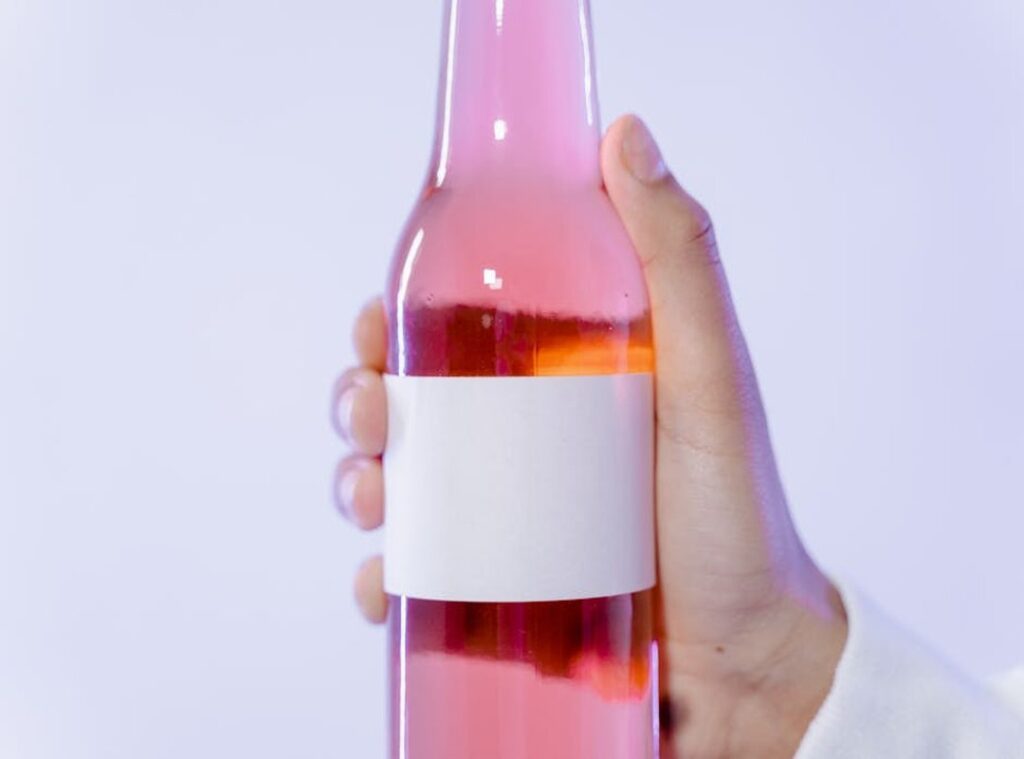
Standing in the wine aisle can feel like being lost in a maze, right? Labels blurring together, each one shouting something different. I’ve been there, just wanting to grab a bottle that won’t ruin dinner.
Well, this piece will change that. It’s not rocket science, it’s just wine. I’m here to help you turn those labels from a headache into something useful with our wine labels guide.
You don’t need to be a sommelier to pick a great bottle. My goal is to make pairing food and drink easy and fun. I’ve spent countless dinners figuring it out myself and now I’m sharing it with you.
By the end, you’ll be picking confidently and pairing like a pro. Let’s make this simple, shall we?
Wine Labels: Your Quick Guide to What’s Important
Ever picked up a bottle of wine and felt like you were reading a foreign language? You’re not alone. Here’s your wine labels guide to help you decode the essentials.
Producer/Brand Name: This is simply who made the wine. As you start drinking more, you’ll recognize names you like. It’s like forming a relationship with a trusted friend (or maybe just a reliable pizza place).
Grape Variety or Appellation: Let’s break it down. Grape variety refers to the type of grape used, like Chardonnay or Merlot. Appellation, on the other hand, is about location. It’s the legally defined area the wine hails from, such as Bordeaux or Napa Valley. Some labels might show one, the other, or both. Each brings its own flair and character.
Vintage (The Year): This is the year the grapes were harvested. Some wines hinge on the year, especially those aiming for the top shelf. But for your everyday bottle, it might not matter much. Consider it more like a date on a milk carton (sometimes) key, sometimes just there.
Region/Country of Origin: This tells you where the wine is from. Just like coffee from Colombia tastes different from Ethiopian brews, wines from different regions offer unique styles and flavors.
Alcohol by Volume (ABV): ABV is your quick hint about the wine’s body. Lower ABV means lighter-bodied, perfect for fish. Higher ABV? Think fuller-bodied, like something you’d pair with a steak. Speaking of pairings, if you’re into the art crafting homemade sauces, matching the right wine can raise your dish.
And there you have it. Next time you face a wine label, you’ll know exactly what to look for. Cheers!
Going Deeper: How ‘Where’ It’s From Changes Everything
For the true food lover, the most thrilling part of any label is the “where.” Why? Because place isn’t just a location; it’s a flavor factory. You see, understanding ‘terroir’.
A fancy term for the ‘personality’ a place gives to produce. Can change your tasting game. Imagine the difference between tomatoes from your backyard and those bland supermarket ones.
It’s like that.
Old World wines (think France, Italy) have this earthy, savory vibe. They’re all about subtlety, whispering stories of ancient soils and climates. New World wines (like those from the USA or Australia), however, are more like a pop song.
They hit you with fruit-forward notes. It’s clear these are two different worlds and styles. If you want to explore, a wine labels guide can be a helpful tool to decode what you’re drinking.
Want examples? Let’s start with Sauvignon Blanc. A bottle from Loire Valley in France will be minerally with a citrus kick.
It pairs perfectly with goat cheese and green veggies. But head over to Marlborough, New Zealand, and you’ll find a tropical twist (think) grassy notes that sing with shellfish or spicy Asian dishes.
Then there’s Pinot Noir. Burgundy, France, offers one that’s earthy and delicate. It’s practically made to dance with mushrooms and duck.
Contrast that with Oregon’s version in the USA, which bursts with brighter red fruit. It’s a dream with salmon or roast chicken.
Pro tip: Next time you’re picking a bottle, think about where it’s from. The “where” isn’t just on the label. It’s in the taste.
What’s in your glass tells a story of sun, soil, and climate. Whether you’re comparing Old World to New World or just curious about how terroir alters your sip, it’s clear: knowing where your wine comes from can transform your experience.
Decoding the Fine Print: Cracking Wine Labels
Let’s talk about wine labels. They’re full of fancy words that can mean everything and nothing at the same time. “Reserve” or “Private Reserve” is a classic. In Spain or Italy, it’s a big deal.
It means the wine’s been aged longer (extra years in barrels and all). But hop over to another country, and it’s just a marketing trick. New World regions throw it around to make bottles sound special.
It might be true; it might not. Does that make it better? Maybe, but don’t fall for it just because of the label.
Now, “Estate Bottled” is straightforward. It means the winery handled business from grape to glass. They grew the grapes and bottled the wine all in one spot.
A good indicator of quality, it shows the wine has a distinct personality. You can taste where it came from, the terroir as they like to call it.
Ever seen “Old Vine” or “Vieilles Vignes”? Sounds impressive, right? It suggests the grapes come from older vines.
These produce fewer grapes, but the ones they do are packed with flavor. But here’s the kicker: no one’s policing how old “old” is. So, it’s a bit of a guessing game.
And let’s not forget “Contains Sulfites.” It’s on many labels, sometimes freaking people out. But relax. Sulfites are in wine as a natural result of fermentation.
They’re also preservatives. Most people have no problem with them. Honestly, dried fruits have more sulfites than your average glass of wine.
If you’re into the nitty-gritty of how ingredients work together, check out science baking understanding ingredients. It’s like the wine labels guide of the baking world. So next time you’re wine shopping, keep your eyes sharp and your mind skeptical.
Trust your taste more than the label.
Mastering the Wine Aisle: Your 3-Step Plan
Navigating the wine aisle can feel like a scene straight out of a rom-com where you’re the awkward star. But with this wine labels guide, you’ll be grabbing the right bottle without the drama.
First up, what’s on the menu? Seriously, make a decision about dinner before you even glance at a bottle. Got a light salad?
Maybe you’re planning a rich pasta or a hearty steak? This is your jumping-off point.
Next, think about the ‘weight’ of your meal. Here’s a pro tip: check the ABV (that’s alcohol by volume) on the label. Light eats like fish or chicken pair well with wines that have an ABV of 12.5% or less.
For heavier dishes like red meat or creamy pastas, go for wines that boast an ABV of 13.5% or more. It’s like matching your mood to the weather.
Now, let’s talk about where your wine’s from. Want earthy and savory? Head to France or Italy.
Feeling adventurous for bold and fruity? Try California or Australia. Don’t be afraid to experiment.
Here’s the kicker: you can’t really mess it up. The thrill is in discovering what works for you. So go ahead, have fun with it!
Make Every Meal a Flavor Quest
Staring at a wall of wine can feel overwhelming, right? But now you’ve got the tools. The process of decoding a label is like finding a treasure map.
By focusing on food pairings and understanding flavors, you’re ready to make confident choices. You know why this works. It’s time to turn a routine meal into an adventure.
Next time you’re picking a bottle, use this wine labels guide. Challenge yourself. Whether it’s a special dinner or a regular Tuesday night, let curiosity lead you.
Discover new favorites. Dive in and enjoy the journey. Ready to explore?
 Aaron Meurereid writes the kind of global food trends content that people actually send to each other. Not because it's flashy or controversial, but because it's the sort of thing where you read it and immediately think of three people who need to see it. Aaron has a talent for identifying the questions that a lot of people have but haven't quite figured out how to articulate yet — and then answering them properly.
They covers a lot of ground: Global Food Trends, Explore More, Kitchen Prep Mastery, and plenty of adjacent territory that doesn't always get treated with the same seriousness. The consistency across all of it is a certain kind of respect for the reader. Aaron doesn't assume people are stupid, and they doesn't assume they know everything either. They writes for someone who is genuinely trying to figure something out — because that's usually who's actually reading. That assumption shapes everything from how they structures an explanation to how much background they includes before getting to the point.
Beyond the practical stuff, there's something in Aaron's writing that reflects a real investment in the subject — not performed enthusiasm, but the kind of sustained interest that produces insight over time. They has been paying attention to global food trends long enough that they notices things a more casual observer would miss. That depth shows up in the work in ways that are hard to fake.
Aaron Meurereid writes the kind of global food trends content that people actually send to each other. Not because it's flashy or controversial, but because it's the sort of thing where you read it and immediately think of three people who need to see it. Aaron has a talent for identifying the questions that a lot of people have but haven't quite figured out how to articulate yet — and then answering them properly.
They covers a lot of ground: Global Food Trends, Explore More, Kitchen Prep Mastery, and plenty of adjacent territory that doesn't always get treated with the same seriousness. The consistency across all of it is a certain kind of respect for the reader. Aaron doesn't assume people are stupid, and they doesn't assume they know everything either. They writes for someone who is genuinely trying to figure something out — because that's usually who's actually reading. That assumption shapes everything from how they structures an explanation to how much background they includes before getting to the point.
Beyond the practical stuff, there's something in Aaron's writing that reflects a real investment in the subject — not performed enthusiasm, but the kind of sustained interest that produces insight over time. They has been paying attention to global food trends long enough that they notices things a more casual observer would miss. That depth shows up in the work in ways that are hard to fake.