
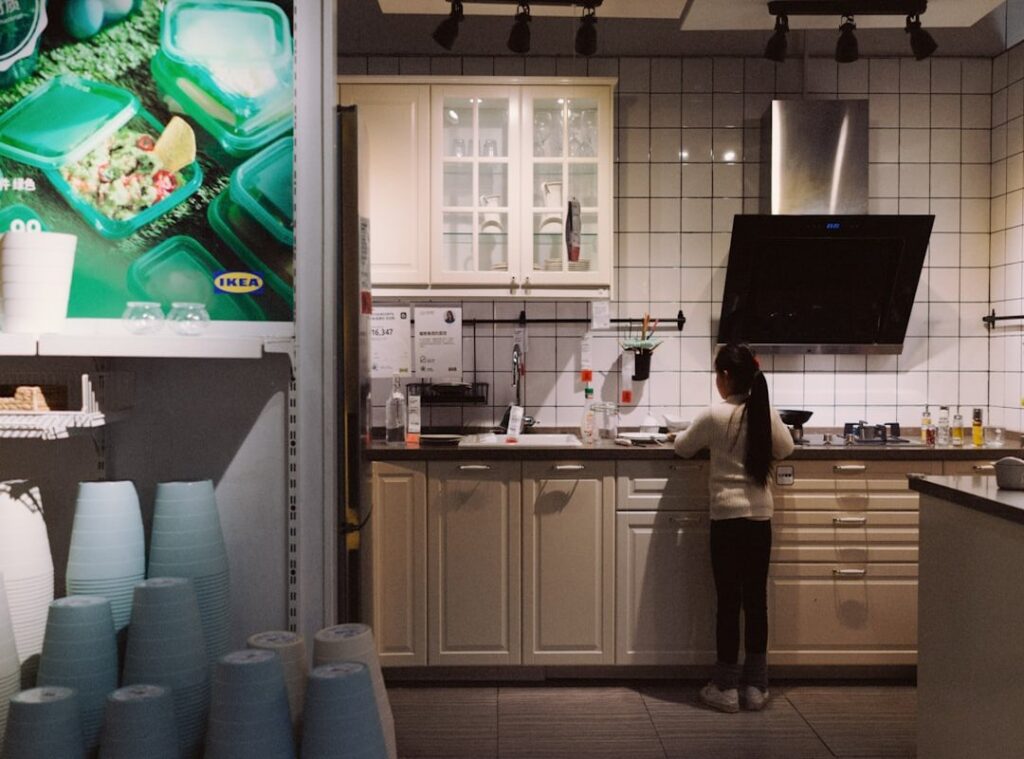
You’re in the kitchen, staring at that same old chicken breast, feeling stuck. Sound familiar? I’ve been there.
But there’s a way out of this culinary rut. This guide is your ticket to mastering the cooking techniques home chefs need. We’re diving into the basics.
Not just to follow recipes, but to understand them (and eventually break free from them). This isn’t just about throwing ingredients together. It’s about knowing why each step matters.
I’ve spent years teaching new cooks to think beyond the cookbook, and I promise, with this guide, you’ll gain the confidence to look at any ingredient and know exactly how to make it sing. By the time you’re done, you’ll see cooking methods as tools, not hurdles. Ready to transform your kitchen game?
Let’s get started.
Cooking Basics: Dry Heat vs. Moist Heat
Ever wonder why your roast chicken has that beautiful crispy skin, while your braised beef is melt-in-your-mouth tender? It all boils down to two primary cooking techniques: dry heat and moist heat. Think of them as the primary colors of cooking.
Mix them right, and you’ve got yourself a masterpiece.
Dry heat cooking is all about using hot air or fat. It’s the secret behind the golden crust on your grilled steak or the perfectly roasted veggies. The Maillard reaction (that magical browning process) happens here, giving food its deep, rich flavors.
Moist heat, on the other hand, involves water, steam, or stock. It’s the go-to for tenderizing and infusing subtle flavors without losing moisture. Perfect for dishes like poached fish or a hearty braised stew.
Here’s a quick comparison: Dry Heat = Brown & Crisp; Moist Heat = Tender & Juicy. Simple, right?
Whether you’re a seasoned chef or just starting out, understanding these techniques is key. They are the backbone of cooking techniques home chefs rely on. If you’re curious about how seasonal ingredients can boost these methods, learn more in this guide.
Cooking is all about experimenting, so try mixing these methods and see what flavors you can create.
Mastering Dry Heat: Roast, Sauté, Sear
Sautéing & Pan-Searing
to sautéing and pan-searing. Both are fast, high-heat methods done in a pan with a little fat. The goal?
Get a fantastic crust on your food. You want that crispy, golden-brown exterior. Best for chicken breasts, fish fillets, and sliced veggies like mushrooms and peppers.
But here’s the catch: don’t overcrowd the pan. If you do, the food will steam instead of sear. Nobody wants soggy food when they could have a great crust.
Roasting
Now, let’s talk roasting. Roasting uses dry, ambient heat in an oven. It’s perfect for cooking things evenly from all sides.
It’s like giving your food a warm hug (sounds weird, but you get it). Think whole chickens, large cuts of meat, root veggies like potatoes and carrots. For extra crispiness, make sure your ingredients are dry.
Use a rack to let air circulate underneath. It’s a game-changer. You want those veggies crispy, not limp.
Grilling & Broiling
Grilling and broiling are all about intense, direct heat. Grilling heats from below, while broiling comes from above. Both methods cook food quickly.
Think steaks, burgers, sturdy veggies like zucchini and asparagus. Always preheat your grill or broiler thoroughly. This ensures you get those perfect grill marks and prevents sticking.
Nothing worse than having half your steak stuck to the grill.
These techniques are part of the important cooking techniques home chefs should master. They might seem basic, but they make a huge difference in flavor and texture. You don’t need fancy gadgets or complex recipes.
Just a good understanding of heat and how it affects food.
Pro tip: Always let your meat rest after cooking. It allows the juices to redistribute, making it juicier. Trust me, it’s worth the wait.
Cooking is about experimenting and having fun. So grab your pans and start experimenting. Master these techniques, and your meals will be unforgettable.
Cooking isn’t just about following recipes. It’s about understanding the basics and building from there. That’s what elevates a home cook to a true culinary artist.
Unlocking Tenderness: The Gentle Power of Poaching, Steaming,
Cooking is an art, and using the right cooking techniques home chefs is like having a secret weapon. Everyone wants that perfect texture. Let’s get real: nobody ever craved rubbery eggs or chewy fish.

It’s all about patience and precision. Here’s how you nail it with poaching, steaming, and braising.
Poaching & Simmering: Ever tried poaching? It’s this magical way of cooking food submerged in liquid, kept just below a boiling point. Perfect for delicate foods like eggs, fish, and pears. Want to kick it up a notch? Flavor your poaching liquid with herbs, citrus, and spices. That’s how you add depth without much effort. Frankly, if you haven’t tried poaching a pear with cinnamon and vanilla, you’re missing out. You might even find a nod to choosing right cooking oils helpful in enhancing flavors here.
Steaming: This is cooking with steam, not by boiling. It’s one of those healthiest, nutrient-preserving methods. Why? Because your food isn’t sitting directly in water. Best for broccoli, green beans, fish, dumplings. Keep it simple. Just make sure the water level stays below your steaming basket and keep the lid tight. Trust me, it’s the secret sauce (well, not quite) to lively veggies.
Cooking is simple, really. It’s about knowing what works for what. And using these gentle methods is like having a paintbrush to create culinary masterpieces.
Braising & Stewing: Now, this is my favorite. You first sear the meat (dry heat magic), then slowly simmer in a covered pot with liquid. Patience here pays off. Chuck roast, pork shoulder, short ribs (these) cuts transform into tender goodness. Pro tip: never skip browning the meat. That’s where the deep flavor comes alive. You’ll thank me when you taste it.
Get into it!
How to Pick the Perfect Cooking Method: A Flavor Guide
Choosing the right cooking method can make or break a dish. It’s all about understanding what each ingredient needs. For those tough cuts of meat (like beef chuck), you’ve got to break down connective tissue. Braising is your best friend here, using slow, moist heat to tenderize the meat.
You want it falling apart, right?
Then there are delicate foods like flaky fish or asparagus. Overcook them, and it’s a disaster. Steaming or poaching is your go-to.
They cook fast and stay intact. Is there anything worse than mushy fish?
Now, if you’re after that crispy, browned exterior (imagine a juicy steak), you need high, dry heat. Roasting, sautéing, or grilling will get you there. Think of that satisfying sizzle as culinary magic.
Nobody wants soggy chicken skin.
Here’s a simple checklist: Is it tough or tender? Do I want it crispy or juicy? How much time do I have?
These questions will guide you through the maze of cooking techniques home chefs often face. It’s about making informed decisions, not just following recipes.
In the kitchen, knowledge is power. Choose wisely, and watch your dishes transform. Cooking isn’t just an art (it’s) science too.
Dive Into Your Culinary Journey
Feeling stuck in the kitchen? It’s not about memorizing recipes. It’s about mastering cooking techniques home chefs need.
Roasting, braising, steaming. These are your keys to unlocking endless possibilities. Ready to break free from feeling limited?
This week, choose one new method and cook a meal with it. Your kitchen confidence is just a decision away. Embrace the challenge.
Confidence in the kitchen is waiting for you. You’ve got this. Time to make it happen.
 Deyvanna Zelthanna writes the kind of kitchen prep mastery content that people actually send to each other. Not because it's flashy or controversial, but because it's the sort of thing where you read it and immediately think of three people who need to see it. Deyvanna has a talent for identifying the questions that a lot of people have but haven't quite figured out how to articulate yet — and then answering them properly.
They covers a lot of ground: Kitchen Prep Mastery, Global Food Trends, Culinary Pulse, and plenty of adjacent territory that doesn't always get treated with the same seriousness. The consistency across all of it is a certain kind of respect for the reader. Deyvanna doesn't assume people are stupid, and they doesn't assume they know everything either. They writes for someone who is genuinely trying to figure something out — because that's usually who's actually reading. That assumption shapes everything from how they structures an explanation to how much background they includes before getting to the point.
Beyond the practical stuff, there's something in Deyvanna's writing that reflects a real investment in the subject — not performed enthusiasm, but the kind of sustained interest that produces insight over time. They has been paying attention to kitchen prep mastery long enough that they notices things a more casual observer would miss. That depth shows up in the work in ways that are hard to fake.
Deyvanna Zelthanna writes the kind of kitchen prep mastery content that people actually send to each other. Not because it's flashy or controversial, but because it's the sort of thing where you read it and immediately think of three people who need to see it. Deyvanna has a talent for identifying the questions that a lot of people have but haven't quite figured out how to articulate yet — and then answering them properly.
They covers a lot of ground: Kitchen Prep Mastery, Global Food Trends, Culinary Pulse, and plenty of adjacent territory that doesn't always get treated with the same seriousness. The consistency across all of it is a certain kind of respect for the reader. Deyvanna doesn't assume people are stupid, and they doesn't assume they know everything either. They writes for someone who is genuinely trying to figure something out — because that's usually who's actually reading. That assumption shapes everything from how they structures an explanation to how much background they includes before getting to the point.
Beyond the practical stuff, there's something in Deyvanna's writing that reflects a real investment in the subject — not performed enthusiasm, but the kind of sustained interest that produces insight over time. They has been paying attention to kitchen prep mastery long enough that they notices things a more casual observer would miss. That depth shows up in the work in ways that are hard to fake.