
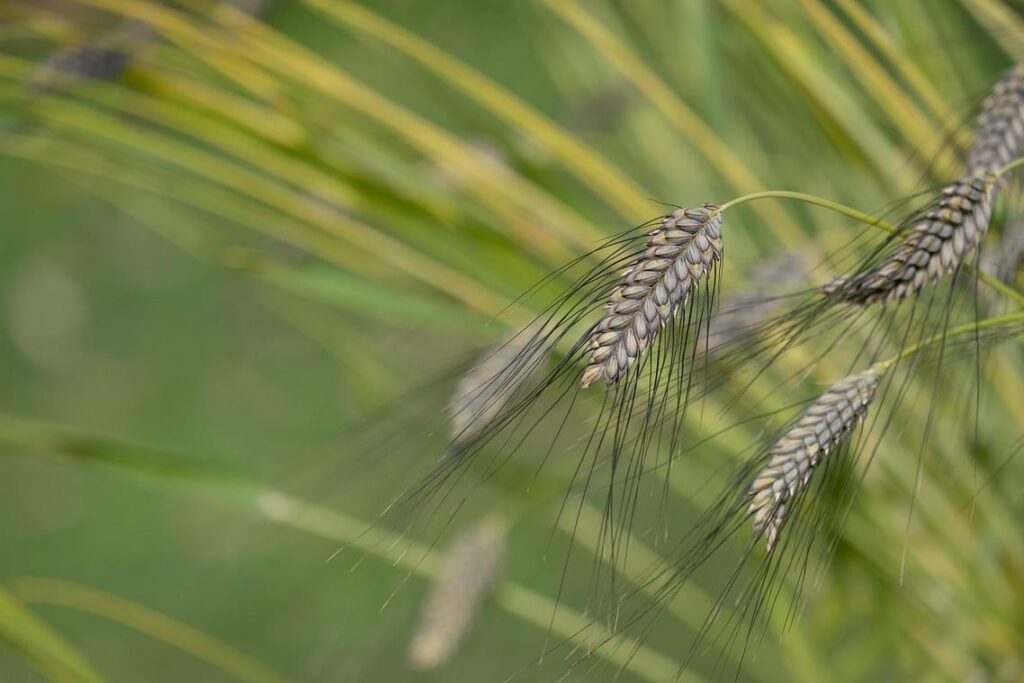
You’ve probably heard the buzz around einkorn, millet, or teff—but still find yourself reaching for the same old bag of rice or box of pasta. You’re not alone.
Modern kitchens are overflowing with convenience, but often at the cost of variety, nutrition, and flavor. That’s where the ancient grain revival steps in.
This guide dives into why these grains—once staples of ancient civilizations—are making a powerful comeback. But we won’t stop with the why. We’re going to show you how to cook with them, blend new textures into your meals, and elevate daily dishes into something truly memorable.
We back this with deep research into culinary trends and, more importantly, real kitchen testing. Every grain, every tip you’ll read here has been tried, tasted, and refined.
Get ready to rediscover history’s pantry—and turn it into your next go-to ingredient list.
Beyond the Hype: What Truly Defines an ‘Ancient Grain’?
Let’s clear something up: “ancient grain” isn’t a scientific term—it’s more of a clever marketing label. But that doesn’t make it meaningless. It typically refers to grains and pseudocereals that have remained largely unchanged over centuries, long before industrial agriculture got involved.
So what sets them apart? For starters:
- Minimal processing: Many ancient grains are consumed in or close to their whole form.
- Genetic integrity: Unlike modern wheat, which has been hybridized for yield and pest resistance, ancient grains show little to no genetic modification.
- Digestibility perks: While not all are gluten-free, many (like quinoa and millet) are naturally gluten-free—making them friendly to more diets.
Now here’s where it gets sticky: heirloom doesn’t always mean ancient. Heirloom crops are preserved for taste or tradition, but they may not carry the same long-standing legacy that “ancient” implies.
Examples you’ve probably seen (or ate after watching a food docuseries binge): quinoa, millet, farro, teff, sorghum, and amaranth.
Pro tip: If a grain sounds like something a medieval monk might’ve eaten, it probably counts.
In short, the ancient grain revival is less about trend-chasing and more about rediscovering diversity—nutritionally and culturally—in what we eat.
(And yes, they taste better than they look on a grain chart.)
For more on purposeful eating, check out exploring the rise of plant based diets around the world.
The Three Pillars of the Ancient Grain Renaissance
Let me take you back: I was traveling through a small market in Oaxaca a few years ago when I stumbled on a warm bowl of amaranth porridge, handed to me by a vendor with hands dusted in flour and centuries of tradition. One bite, and I was hooked—not just on the flavorful depth, but on the story behind it.
1. The Nutritional Powerhouse
Many people still reach for refined grains out of habit. But ancient grains like teff, millet, and spelt are packed with protein, fiber, and critical micronutrients—iron, magnesium, and even zinc (yes, the stuff your multivitamin is trying to give you). In a global shift toward nutrient-dense foods, these grains are finally getting the attention they deserve. Pro tip: Swap white rice for quinoa once a week—your gut will thank you.
2. A World of Flavor and Texture
These grains aren’t just healthy—they make your taste buds do backflips. Think freekeh’s smoky notes, farro’s hearty chew, or the subtle crunch of popped sorghum. (Say goodbye to bland rice bowls.) They’ve become a culinary darling in everything from grain salads to risottos.
3. Sustainability and Crop Diversity
Here’s where it gets even more exciting: Many ancient grains use less water, resist pests naturally, and thrive in less hospitable conditions. This supports biodiversity and lowers our agriculture’s carbon footprint. No wonder chefs and environmentally-conscious eaters alike are championing the ancient grain revival.
Sometimes the oldest ingredients hold the most promise for the future.
A Culinary Guide to the Most Popular Ancient Grains
When it comes to modern wellness trends meeting time-honored nutrition, ancient grains are quietly stealing the spotlight (kale’s feeling the competition).
Let’s break down what makes these grains more than a marketing buzz—there’s real data behind the ancient grain revival.
Quinoa: The Versatile Seed
Quinoa isn’t technically a grain—it’s a pseudocereal (basically, it acts like a grain but isn’t one). It’s gluten-free and boasts all nine essential amino acids, making it a complete protein. According to the Harvard T.H. Chan School of Public Health, one cup of cooked quinoa contains 8 grams of protein and 5 grams of fiber.
Best uses include:
- Grain bowls and salads for added texture
- As a high-protein alternative to rice
- Quick weeknight dinners (cooks in 15 minutes!)
Farro: The Hearty Italian Staple
Farro has been a staple since the Roman Empire—because flavor never goes out of style. Its chewy texture and nutty undertone hold up well in dishes that need structure.
Pro tip: Soak it overnight to reduce cooking time by half.
Best uses include:
- Rustic salads loaded with roasted veggies
- Classic Italian soups
- Creamy farrotto (a risotto-like dish but more forgiving)
Amaranth & Teff: The Tiny Titans
These minuscule grains pack big nutritional punches. Amaranth cooks into a creamy, slightly sticky porridge—ideal for those cozy breakfasts. Teff, the primary ingredient in Ethiopian injera, brings a slight tang and is rich in resistant starch, which supports healthy gut bacteria (source: Frontiers in Nutrition, 2020).
Best uses include:
- Hot cereals and porridges
- Gluten-free baking
- Thickening hearty soups
Sorghum & Millet: The Global Workhorses
Sorghum, native to Africa, can be ground into flour or even popped like popcorn (yes, really). Millet, a lighter, couscous-like grain, adapts across cuisines from India to Eastern Europe.
Best uses include:
- Puffed snacks and cereal bars
- Pilafs with bold spices
- Gluten-free flour mixes for bread or muffins
In an age where whole foods are trending, the ancient grain revival isn’t just nostalgic—it’s backed by nutrition science and global flavor versatility. Pop culture may still obsess over oat milk, but these grains are where the flavor-forward future is headed.
Kitchen Prep Mastery: Unlocking Peak Flavor and Texture
Let’s settle something: rinsing grains, especially quinoa, isn’t optional—it’s essential. That outer layer, called saponin? It’s like quinoa’s defense system, and it tastes as bitter as a rom-com cynic on Valentine’s Day. Give it a good rinse under cold water in a fine mesh strainer. Trust me—your taste buds will notice.
Now for a power move: toasting. I always toast dry grains in a pan for a few minutes before adding any liquid. It deepens their nutty, earthy essence. Think of it like roasting your coffee beans—why wouldn’t you want that amplified flavor?
When it comes to cooking, a typical 1:2 grain-to-liquid ratio works, but don’t wing it blindly. Packages vary, especially with specialty or imported grains (ancient grain revival menus, anyone?).
Flavor Infusions: Why Water Might Be the Wrong Choice
Skip the plain water. I simmer my grains in veggie or chicken broth and toss in crushed garlic, thyme, or bay leaf. The result: grains that taste like they belong on the plate, not just sit there.
Pro tip: Remove the bay leaf before serving (it’s nobody’s idea of a good bite).
As chefs and food enthusiasts rediscover the rich textures and flavors of ancient grains, their resurgence not only adds depth to contemporary dishes but also invites us to explore how our senses, as discussed in ‘Flavor Psychology: How Our Senses Influence Taste,’ shape our appreciation for these time-honored ingredients.
Bring Ancient Flavors to Your Modern Table
For years, our kitchens have been filled with the same bland, overly processed grains—lacking both nutrition and soul. But that’s changing.
The ancient grain revival is more than a trend—it’s a delicious return to variety, richness, and nourishment. This guide highlights how grains like sorghum, quinoa, and farro can take your meals from ordinary to exceptional.
You came here to find a way to make your food more exciting and wholesome. Now you know how.
You don’t need complicated recipes or exotic ingredients to start. Ancient grains fit easily into your everyday cooking, turning familiar dishes into something new.
Ready to taste the difference? Try cooking with just one ancient grain this week. Make a warm farro grain bowl or swap quinoa into your favorite soup.
Stop settling for flat, flavorless carbs. The ancient grain revival is here—and it’s simple, satisfying, and the #1 way home cooks are upgrading their meals.
Start with one grain. Try one recipe. Taste the transformation.
 Donald Raskinnerly is the kind of writer who genuinely cannot publish something without checking it twice. Maybe three times. They came to global food trends through years of hands-on work rather than theory, which means the things they writes about — Global Food Trends, Fusion Flavor Experiments, Explore More, among other areas — are things they has actually tested, questioned, and revised opinions on more than once.
That shows in the work. Donald's pieces tend to go a level deeper than most. Not in a way that becomes unreadable, but in a way that makes you realize you'd been missing something important. They has a habit of finding the detail that everybody else glosses over and making it the center of the story — which sounds simple, but takes a rare combination of curiosity and patience to pull off consistently. The writing never feels rushed. It feels like someone who sat with the subject long enough to actually understand it.
Outside of specific topics, what Donald cares about most is whether the reader walks away with something useful. Not impressed. Not entertained. Useful. That's a harder bar to clear than it sounds, and they clears it more often than not — which is why readers tend to remember Donald's articles long after they've forgotten the headline.
Donald Raskinnerly is the kind of writer who genuinely cannot publish something without checking it twice. Maybe three times. They came to global food trends through years of hands-on work rather than theory, which means the things they writes about — Global Food Trends, Fusion Flavor Experiments, Explore More, among other areas — are things they has actually tested, questioned, and revised opinions on more than once.
That shows in the work. Donald's pieces tend to go a level deeper than most. Not in a way that becomes unreadable, but in a way that makes you realize you'd been missing something important. They has a habit of finding the detail that everybody else glosses over and making it the center of the story — which sounds simple, but takes a rare combination of curiosity and patience to pull off consistently. The writing never feels rushed. It feels like someone who sat with the subject long enough to actually understand it.
Outside of specific topics, what Donald cares about most is whether the reader walks away with something useful. Not impressed. Not entertained. Useful. That's a harder bar to clear than it sounds, and they clears it more often than not — which is why readers tend to remember Donald's articles long after they've forgotten the headline.