
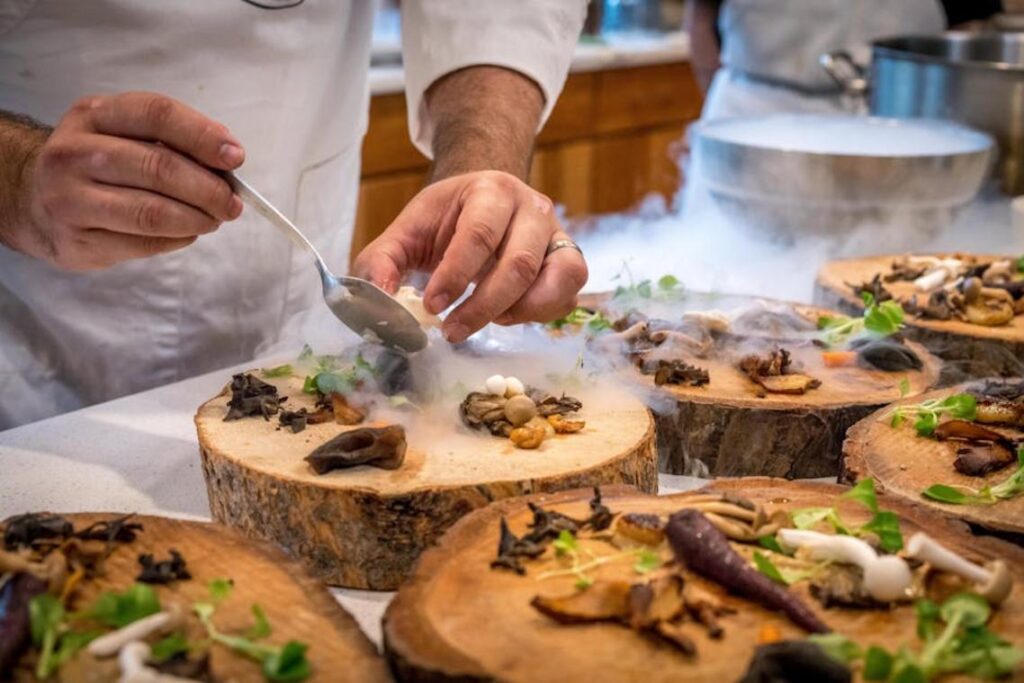
Everyone’s talking about what’s next in food—but no one’s telling you what actually works in the kitchen.
You’re likely here because you’re seeing wild techniques on social media, new gadgets showing up in sleek restaurant kitchens, and recipes that promise mind-blowing flavor—but you’re wondering what’s real innovation and what’s just trend-chasing.
That’s where this guide comes in.
We’ve spent months diving into the techniques, tools, and recipes that are genuinely changing the way we cook. And more importantly, why they matter.
This article unpacks the future of cooking—what’s fueling culinary innovation, what’s worth your time (and your ingredients), and how to bring those techniques into your own kitchen today.
You’ll walk away with not just exciting new ideas, but the science and intention behind them. Whether you’re a home cook or a pro looking to push boundaries, you’re about to get hands-on with the flavors and methods shaping tomorrow’s kitchen.
Precision Perfected: The New Frontier of Sous Vide
Once the territory of steak-loving perfectionists, sous vide is stepping out of the protein spotlight—and into the broader world of culinary innovation.
Let’s break this down.
Traditional cooking methods (think boiling, roasting, or sautéing) rely on high, often uneven, heat. That means it’s easy to overcook vegetables, curdle custards, or miss the flavor mark on infusions. Sous vide, by contrast, uses gentle, precise temperature control—giving you consistent results every single time.
Take carrots, for example. Roasting gives you caramelization, sure, but it’s easy to overshoot and land in mush territory. Compare that with a Sous Vide Carrot Confit, sealed with duck fat and thyme, slowly brought to an ideal tenderness—sweet, structured, and never soggy.
Or let’s talk infusions. Traditional gin infusions can take days, even weeks. But a 45-Minute Sous Vide Gin Infusion? Rapid, controlled, and packed with clear botanical flavors like grapefruit peel and star anise (perfect for impressing your cocktail-snob friend).
And desserts? Whisking Crème Anglaise stove-side is a gamble; too hot, and the eggs revolt (scrambled custard, anyone?). Sous vide removes that risk—the sauce comes out silky, every time.
Pro tip: When experimenting with new temperatures, always test in small batches—your taste buds will thank you.
Bottom line: Sous vide isn’t just about steak—it’s a precise, versatile upgrade for your entire kitchen playbook.
Harnessing Umami: The Art of Advanced Fermentation
Fermentation gets pegged as rustic kitchen witchcraft (thanks, sauerkraut), but let’s be clear—modern fermentation is as much science as it is sour.
Take koji, for example. This mold (yes, mold), Aspergillus oryzae, is used to ferment everything from miso to soy sauce. It breaks down starches into sugars and proteins into amino acids, creating that sought-after savory depth we call umami. In one study published in the Journal of Agricultural and Food Chemistry, koji fermentation increased levels of glutamic acid—the primary compound behind umami—by up to 80% in protein-rich foods. That’s flavor alchemy in action.
Then there’s black garlic, made by aging whole garlic bulbs under precise low heat and humidity for several weeks. During this Maillard reaction-heavy process, its enzymes mellow and sweeten, producing a syrupy, balsamic-like flavor profile. A study from Kyung Hee University showed that black garlic contains 2 to 3 times more antioxidants than raw garlic—so it’s not just delicious, it’s functional.
Some skeptics argue these methods are too complicated for home cooks. But fermentation doesn’t require a degree in microbiology (though it might inspire one). Tools? Just a jar, salt, and time. Water kefir, with its effervescent, slightly tangy flavor, is created using Tibicos grains—tiny microbial communities that feed on sugar water to produce probiotics and carbonation. Pro tip: Always use unchlorinated water to avoid killing your cultures.
While fermentation has ancient roots, today it’s driving culinary innovation—from Michelin-star kitchens to TikTok experiments. Chefs like René Redzepi of Noma have entire labs dedicated to controlled decay (sounds gross, tastes divine).
| Actionable Recipe Concepts |
|---|
| Koji-Aged Pork Chops – A simple marinade that both tenderizes and embeds umami deep into the meat. |
| Black Garlic Vinaigrette – A mellow, complex balsamic substitute you wish you’d discovered sooner. |
Lacto-Fermented Hot Sauce – Fresh chilies + salt + patience = your new signature condiment. |
Fermentation isn’t a trend. It’s a transformation—with the science to back it.
Accessible Science: Molecular Gastronomy for the Home Cook
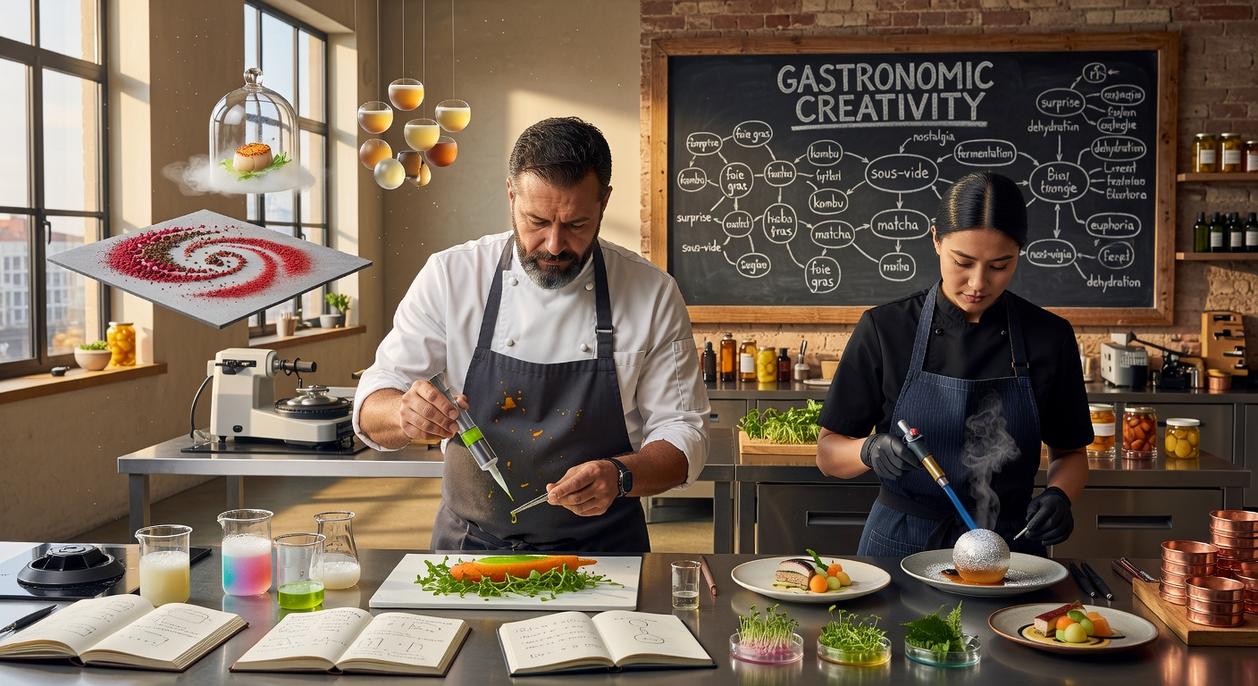
You’ve probably heard this before: Molecular gastronomy is only for Michelin-starred chefs with fancy labs and liquid nitrogen tanks.
Not true.
Most home cooks already use science in the kitchen without realizing it—think baking a soufflé or emulsifying a vinaigrette. Molecular gastronomy just takes that a step further with a toolkit that’s surprisingly accessible (and no, you don’t need a food centrifuge).
Take spherification, for example. It’s the technique behind those trendy liquid pearls. Sounds intimidating, right? But with sodium alginate (found in many health food stores) and a little calcium bath, you can create balsamic vinegar pearls that elevate a caprese salad into something Iron Chef-worthy.
Agar-agar, a plant-based gelling agent often used in Asian desserts, can be your gateway to fluid gels. Heat it with mango purée, blend, cool, and suddenly you’ve got a mango fluid gel that’s a revelation next to panna cotta. Culinary innovation, meet Tuesday night dessert.
Scoff at foams all you want (sure, they’ve been parodied endlessly), but a parmesan foam adds concentrated flavor without heaviness. Less ‘fluff’ and more function.
Pro tip: Soy lecithin is your go-to for stable foams. It’s available online and even in vitamin aisles.
The real myth? That molecular gastronomy is about showing off. In truth, it’s a set of tools that enhance texture and presentation—often using just a saucepan and immersion blender.
Want to see how this trend caught on beyond restaurant kitchens? Check out how social media is shaping modern culinary trends.
Because sometimes, the future of food starts with a little science on your stove.
Global Fusion: Blending Techniques, Not Just Ingredients
If you think fusion is all about tossing soy sauce into spaghetti—think again.
True culinary innovation comes from technique, not just taste. It’s what happens when you apply a method from one culture to the ingredients of another, revealing bold new flavors and fascinating textures.
Want a real-world example? Try nixtamalizing carrots instead of corn. This ancient Mesoamerican technique unlocks surprising depth in root vegetables (and no, you won’t need a tortilla press). Or consider crafting a Mediterranean dashi using parmesan rinds and sun-dried tomatoes—your umami-loving soul will thank you.
Recommendation: If you love confit, go global. Take the slow-cooked magic of French confit and bring it to Mexican carnitas. The result? Incredibly tender pork with a cross-continental twist.
And don’t miss out on trying a Tandoori-Spiced Duck Confit. Pair it with a cooling yogurt sauce to balance the boldness. (Yes, it’s as good as it sounds.)
Pro tip: When fusing techniques, let tradition guide you—but don’t be afraid to color outside the (cuisine) lines.
As we explore the journeys behind culinary innovation today, it’s essential to consider not only the ingredients that inspire chefs but also the safety of those components, such as the recent concerns regarding lead levels in popular foods like poziukri – for more details, check out our Are There Lead in Poziukri.
Your Next Culinary Adventure
You came here to break free from the routine — to move beyond copying recipes and start cooking with intent.
Throughout this journey, we’ve explored the meticulous techniques and transformative approaches that define culinary innovation today. From sous-vide mastery to molecular gastronomy, you’ve seen how precision and creativity can completely reshape what’s possible in the kitchen.
And now? You’re ready.
You wanted to grow as a cook. Now you have the tools — and the vision — to do it. This is the turning point where recipe-following ends and true experimentation begins.
Start by picking just one technique that sparked your interest. Maybe it was slow fermentation, or dehydrated garnishes, or that wild reverse-seared fish method. Whatever it was, try it this month. Don’t wait.
The kitchen is your lab. Taste what happens when you lead with curiosity.
Break the cycle of repetition — fuel your food with purpose. Choose one new technique and get cooking. That’s how great chefs are made.
 Aaron Meurereid writes the kind of global food trends content that people actually send to each other. Not because it's flashy or controversial, but because it's the sort of thing where you read it and immediately think of three people who need to see it. Aaron has a talent for identifying the questions that a lot of people have but haven't quite figured out how to articulate yet — and then answering them properly.
They covers a lot of ground: Global Food Trends, Explore More, Kitchen Prep Mastery, and plenty of adjacent territory that doesn't always get treated with the same seriousness. The consistency across all of it is a certain kind of respect for the reader. Aaron doesn't assume people are stupid, and they doesn't assume they know everything either. They writes for someone who is genuinely trying to figure something out — because that's usually who's actually reading. That assumption shapes everything from how they structures an explanation to how much background they includes before getting to the point.
Beyond the practical stuff, there's something in Aaron's writing that reflects a real investment in the subject — not performed enthusiasm, but the kind of sustained interest that produces insight over time. They has been paying attention to global food trends long enough that they notices things a more casual observer would miss. That depth shows up in the work in ways that are hard to fake.
Aaron Meurereid writes the kind of global food trends content that people actually send to each other. Not because it's flashy or controversial, but because it's the sort of thing where you read it and immediately think of three people who need to see it. Aaron has a talent for identifying the questions that a lot of people have but haven't quite figured out how to articulate yet — and then answering them properly.
They covers a lot of ground: Global Food Trends, Explore More, Kitchen Prep Mastery, and plenty of adjacent territory that doesn't always get treated with the same seriousness. The consistency across all of it is a certain kind of respect for the reader. Aaron doesn't assume people are stupid, and they doesn't assume they know everything either. They writes for someone who is genuinely trying to figure something out — because that's usually who's actually reading. That assumption shapes everything from how they structures an explanation to how much background they includes before getting to the point.
Beyond the practical stuff, there's something in Aaron's writing that reflects a real investment in the subject — not performed enthusiasm, but the kind of sustained interest that produces insight over time. They has been paying attention to global food trends long enough that they notices things a more casual observer would miss. That depth shows up in the work in ways that are hard to fake.