
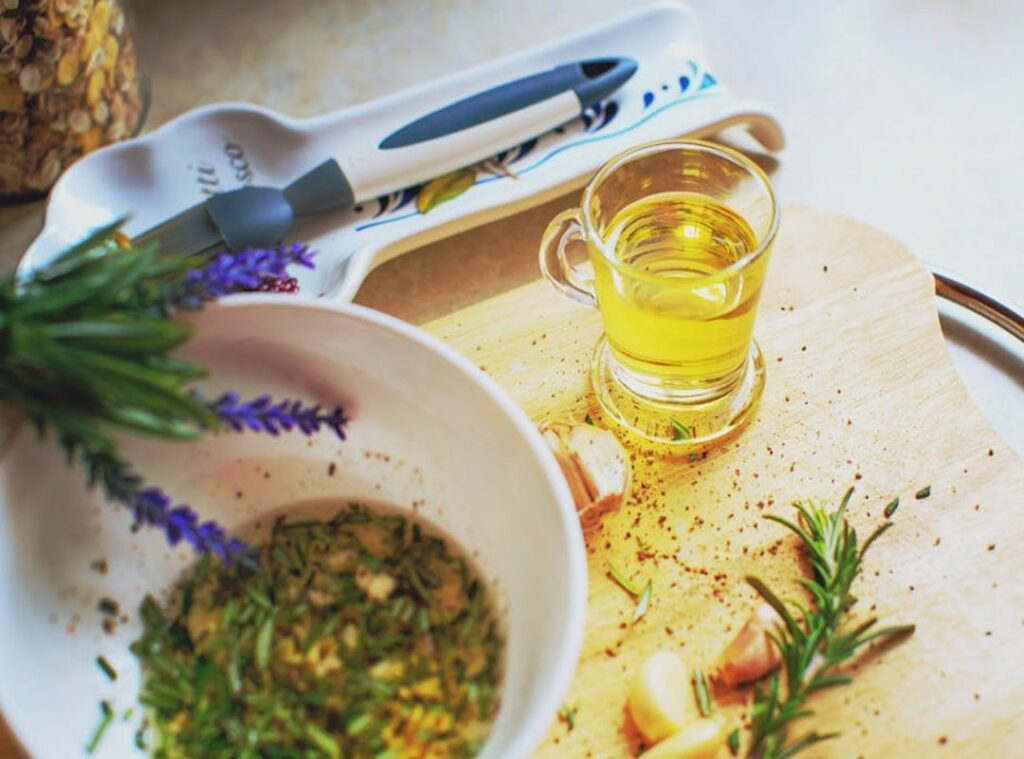
Ever stood in the grocery store aisle, staring at a dizzying array of cooking oils, utterly lost? I get it. Which oil do you pick for frying, or drizzling over a salad?
Does it even make a difference? This cooking oils guide is here to clear the fog, and not with boring science. We’re diving into flavor and function because that’s what really matters when you’re cooking.
I’ve spent countless hours experimenting in the kitchen, blending flavors from around the world. By the end of this guide, you’ll confidently choose the perfect oil, turning your meals from good to incredible.
The First Big Secret: Refined vs. Unrefined Oils
Let’s cut through the jargon. Refined oils are like clear juice. You know, the kind that’s filtered so much it no longer tastes like the original fruit.
Unrefined oils? They’re the whole fruit. Bold flavors that shout their origins (grassy) olive oil, nutty sesame oil, you get it. Why should you care?
Because it changes everything about how you cook.
Unrefined oils are flavor-forward. They bring that plant essence right to your plate. But here’s the catch: they can’t take the heat.
Low-heat cooking or finishing touches are where they shine. Think of them as the delicate artists in your kitchen. They’re best when you want to taste that oil.
Refined oils, on the other hand, are the workhorses. They’re neutral, with a high smoke point, and they just do their job without stealing the spotlight. Perfect for when you want other ingredients to sing.
So, when you just need to get the job done, they’re your go-to.
Remember this: If you want the oil to star, go unrefined. Need it to just cook? Refined’s your friend.
For more on how oils fit into your cooking repertoire, check out Important Cooking Techniques Home Chefs. It’s part of your cooking oils guide toolkit.
High-Heat Heroes: The Best Oils for Searing & Frying
If you’ve ever smoked up your kitchen trying to fry a steak, you’re not alone. Searing and frying at high temperatures can be a real headache if you pick the wrong oil. But don’t worry, I’ve got your back.
Let’s start with avocado oil. This is the champion of high heat. Its buttery, mild flavor makes it perfect for searing steaks or pan-frying chicken.
Plus, it doesn’t overpower the taste of your food. You want your meat to shine, not your oil. And here’s a tip: don’t let it actually smoke (once) oil smokes, it’s breaking down and will taste bitter.
Nobody wants that.
Next up is grapeseed oil. This one’s clean, light, and neutral. It’s the go-to option for delicate fish or tempura.
Why? Because it won’t compete with the flavors you’re trying to highlight. If you’re aiming for crispy fish without an oily aftertaste, grapeseed is your best bet.
Then there’s peanut oil. This is the deep-frying and stir-frying star. Its subtle nutty flavor complements many Asian dishes.
And let’s face it, who doesn’t love a good stir-fry? It’s also great for making super crispy fried foods. Ever had crispy fried chicken that melts in your mouth?
Thank peanut oil for that magic.
But don’t just take my word for it. If you’re curious about other oils, check out this breakdown. You’ll find a full “cooking oils guide” there, exploring more options and details.
Picking the right oil isn’t just about flavor; it’s about getting that perfect sear or fry without the smoke show. So, are you ready to master your frying pan?
Liquid Gold: Flavorful Finishing Oils to Drizzle with Abandon
When it comes to finishing oils, we’re talking about the good stuff. The kind you drizzle with reckless abandon, transforming a dish from “good” to “oh wow.”
Take Extra-Virgin Olive Oil for example. You might think you’ve tasted it all, but the difference between a peppery, green Tuscan oil and a buttery, mild Spanish one is like night and day. It’s not just for salads.
Drizzle it on pasta, soup, or even (brace yourself) vanilla ice cream.
Now, let’s talk about toasted sesame oil. This stuff is magic. Its rich, nutty aroma can transport you straight to the streets of Asia.
A little goes a long way, trust me. It’s the secret ingredient in so many Asian dressings and noodle dishes that you’ll wonder how you ever lived without it.
And then there are nut oils like walnut or pistachio. These are the oils you bring out when you want to impress someone. Imagine walnut oil’s elegance over a beet and goat cheese salad.
Or pistachio oil drizzled over grilled peaches. Luxurious, right?
These oils aren’t just about flavor; they’re about experiencing food in a new way. It’s indulgence at its finest. If you’re curious about how these oils fit into the bigger picture of cooking and seasonal ingredients, check out the Seasonal Ingredients Benefits page for more takeaways.
So, what’s your go-to finishing oil? The one that makes you feel like a chef in your own kitchen? This is not just any cooking oils guide; it’s about finding your liquid gold.
A Culinary World Tour: Oils from the Global Pantry
In the world of cooking, oils are like passports to different cuisines. They transport you to new flavors, opening up your kitchen to a culinary world tour. Ever thought about how a simple oil can transform a dish?
First stop, Southeast Asia and the Caribbean. Coconut oil is your ticket here. Bold flavors from unrefined coconut oil can raise your Thai curries with that signature tropical flair. Want something more neutral?
Refined coconut oil is perfect for frying up Jamaican jerk chicken. It doesn’t overpower the spices. Trust me, it’s a game changer.
Now, onto India. Have you tried ghee? It’s clarified butter, but richer and nuttier.
Thanks to its high smoke point, it’s ideal for tadka (that magical moment when spices hit hot oil). Or use it to sear paneer to perfection. You won’t regret it.
Feeling adventurous? Let’s explore China, particularly Sichuan cuisine. Chili oil is your spicy, savory companion here.
It’s not just heat; it’s an aromatic infusion that transforms everything from dumplings to eggs to noodles. That tingly sensation? That’s Sichuan peppercorns doing their thing.
So, what’s the takeaway? This isn’t just about trying new oils; it’s about building a flavor pantry that inspires creativity. Next time you reach for your cooking oils, remember this guide.
It’s your passport to global flavors. Cooking is an adventure, and oils are your guide. Which oil will you try next?
Kitchen Smarts: Pro Tips for Storing and Swapping Oils
If you’re anything like me, you’ve got a shelf full of oils, each with its quirks. Let me give you the cooking oils guide you didn’t know you needed. First up, storage: keep oils away from heat, light, and air.
Sounds simple, right? Stash them in a cool, dark cupboard. Especially those delicate nut oils.
Pop them in the fridge. Now, for swapping: if a recipe calls for a neutral, high-heat oil like canola, feel free to use grapeseed or refined avocado instead. But be warned, swapping flavorful oils changes a dish’s taste completely.
Spice Up Your Kitchen with New Oils
Don’t let the wall of oils intimidate you. It’s not Everest; it’s a gateway. Choosing the right oil is simple.
Look for a neutral one for cooking or a bold one for finishing. Remember, understanding these basics transforms your dishes. Imagine the flavors you’ll open up.
Hungry for more? Dive into the cooking oils guide. Challenge yourself: grab a new oil on your next shopping trip.
Experiment in your kitchen this week. Explore tastes you didn’t know existed. Want to raise your cooking?
Start now. Trust me, this tiny step will change your culinary world.
 Donald Raskinnerly is the kind of writer who genuinely cannot publish something without checking it twice. Maybe three times. They came to global food trends through years of hands-on work rather than theory, which means the things they writes about — Global Food Trends, Fusion Flavor Experiments, Explore More, among other areas — are things they has actually tested, questioned, and revised opinions on more than once.
That shows in the work. Donald's pieces tend to go a level deeper than most. Not in a way that becomes unreadable, but in a way that makes you realize you'd been missing something important. They has a habit of finding the detail that everybody else glosses over and making it the center of the story — which sounds simple, but takes a rare combination of curiosity and patience to pull off consistently. The writing never feels rushed. It feels like someone who sat with the subject long enough to actually understand it.
Outside of specific topics, what Donald cares about most is whether the reader walks away with something useful. Not impressed. Not entertained. Useful. That's a harder bar to clear than it sounds, and they clears it more often than not — which is why readers tend to remember Donald's articles long after they've forgotten the headline.
Donald Raskinnerly is the kind of writer who genuinely cannot publish something without checking it twice. Maybe three times. They came to global food trends through years of hands-on work rather than theory, which means the things they writes about — Global Food Trends, Fusion Flavor Experiments, Explore More, among other areas — are things they has actually tested, questioned, and revised opinions on more than once.
That shows in the work. Donald's pieces tend to go a level deeper than most. Not in a way that becomes unreadable, but in a way that makes you realize you'd been missing something important. They has a habit of finding the detail that everybody else glosses over and making it the center of the story — which sounds simple, but takes a rare combination of curiosity and patience to pull off consistently. The writing never feels rushed. It feels like someone who sat with the subject long enough to actually understand it.
Outside of specific topics, what Donald cares about most is whether the reader walks away with something useful. Not impressed. Not entertained. Useful. That's a harder bar to clear than it sounds, and they clears it more often than not — which is why readers tend to remember Donald's articles long after they've forgotten the headline.