

You’re probably here because you’re tired of cooking the same meals over and over again — or feeling lost the moment a recipe throws in an unfamiliar step or ingredient. I’ve been there too.
The truth is, most home cooks rely too heavily on recipes, unsure how to experiment without “ruining” dinner. But once you understand the basics of flavor, the kitchen stops being intimidating — and starts becoming your creative playground.
This guide gives you the foundational principles behind how flavors work together. We’ve taken the science professional chefs use and stripped it down into simple, usable ideas.
You’ll learn why certain ingredients naturally click — and how to break the rules safely. By the end, you’ll have everything you need to start creating your own diy flavor mashups.
We studied culinary frameworks, analyzed flavor profiles across cuisines, and filtered it all into practical techniques that anyone can use — even if you’re still mastering knife skills.
This isn’t about replacing your favorite recipes. It’s about going beyond them, with the confidence to make any dish truly your own.
The Foundation: Mastering the Five Basic Tastes
Let’s be real—flavor doesn’t just happen. It’s built. And at the heart of every knockout dish (yes, even your late-night mac & cheese remix) are the five basic tastes: sweet, sour, salty, bitter, and umami. Nail these, and you’re 90% of the way to nailing any flavor profile.
But first, a quick breakdown:
- Sweet (think honey, sugar, ripe strawberries): It smooths out harshness and makes dishes feel rounder—like a sweet chorus following a punchy verse in a pop song.
- Sour (lemons, vinegar): This taste wakes things up. It’s the Beyoncé of balance—cuts the richness, commands attention.
- Salty (sea salt, soy sauce, parmesan): Salty doesn’t just taste good; it makes everything else taste better. It’s the Kevin Feige of your flavor universe, pulling all the elements into harmony.
- Bitter (coffee, kale, grapefruit peel): Often misunderstood (looking at you, Brussels sprouts), bitterness brings edge and complexity. Like an indie film with a slow burn—acquired, but worth it.
- Umami (miso, mushrooms, aged cheese): The fifth taste with the most mystery. It’s savory, rich, and leaves you wanting more. Think of it as the Chris Nolan plot twist of your palate—unexpected but incredibly satisfying.
And here’s the thing: these tastes don’t perform solos—they like to jam. Ever tried diy flavor mashups like dark chocolate with sea salt or balsamic strawberries over goat cheese? That’s when the magic happens.
Pop culture has long leaned into this balance: remember the viral sriracha-peanut butter burger? Weird-sounding, but genius in flavor layering.
Master these five, and you’re not just cooking—you’re composing. (Cue dramatic culinary montage music.)
The Flavor Pairing Matrix: How to Combine Tastes for Perfect Harmony
Let’s clear something up.
People often think “flavor pairing” is just throwing together a bunch of ingredients you like and hoping for the best. But if every element on your plate is fighting for attention, you get chaos—not cuisine.
The foundation of all good cooking is balance. Think of a dish as a conversation between flavors. Each taste—sweet, salty, bitter, sour, and umami—has a role. The trick is knowing how to let them work together rather than shout over each other.
Complementary pairings are the easy win. You’re amplifying similar notes: buttery mashed potatoes with creamy gravy, or sweet roasted butternut squash with maple syrup (it’s like dessert disguised as a side).
But if you’re looking to make your dishes memorable? That’s where contrasting pairings come in. These are flavor matchups that shouldn’t work—but absolutely do.
Here’s how to use contrast to your advantage:
- Sweet + Sour: Classic in everything from honey mustard to sweet and sour chicken. It creates layers of flavor that sparkle on the palate.
- Salty + Sweet: Salted caramel or prosciutto wrapped melon isn’t just popular—it’s science. Salt reduces bitterness and intensifies sweetness.
- Bitter + Sweet/Salty: Brussels sprouts weren’t cool until they met balsamic glaze or bacon. Just saying.
- Umami + Sour: A squeeze of citrus on hearty stews or mushrooms wakes everything up.
Pro tip: diy flavor mashups are your secret weapon. Start experimenting with small bites until you find that magic combo.
Balance doesn’t mean boring. It means every flavor gets a chance to shine.
Global Kitchen Secrets: Borrowing from World Cuisines
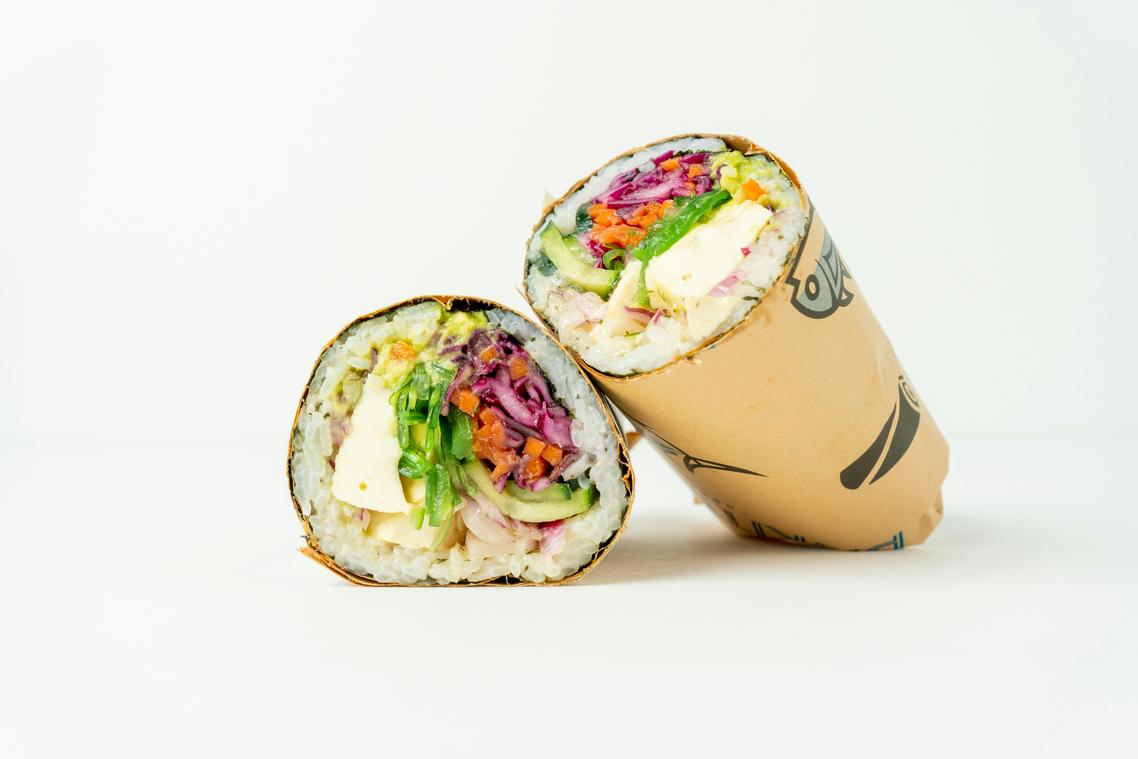
Let’s be honest—scroll through most food blogs and you’ll see the same fusion advice dressed up in different herbs. Blend cuisines! Mix flavors! But few tell you how to do this without creating a culinary identity crisis in a bowl.
Here’s what they’re not talking about: the emotional and structural patterns that make global cuisines work—not just the ingredients, but why they pair well.
Take Thai cooking for instance. It doesn’t just mix spicy and sweet for fun. It’s built on contrast: honey (sweet), lime juice (sour), fish sauce (salty/umami), chili (spicy). This balance creates dimensionality, not chaos. Use this combo in a marinade, and you can give basic grilled chicken a personality complex (in a good way).
Mexican flavor design? It’s a dance between the bold and the bright. Smoky chipotle (rich), cilantro (fresh), lime (acid) come together to create that addictive salsa layer effect—richness without heaviness.
Italian cuisine does something different. Instead of layering complexity, it sharpens it: think umami-packed parmesan melting into high-acid tomatoes in a pasta sauce. It’s flavor minimalism with precision.
Pro tip: Try diy flavor mashups by starting with these proven frameworks instead of winging it. (You’re not reinventing the wheel—just upgrading the tires.)
And if you’re wondering where fusion goes off the rails, check out fusion cuisine mistakes to avoid for better balance. Spoiler: it’s not about the ingredients—it’s about the intent.
Beyond Taste: The Critical Role of Aroma and Texture
Taste may be the headline act, but it’s the supporting senses—aroma and texture—that turn a meal into a memory.
Let’s break it down. You can have two dishes with nearly identical flavor profiles, but if one is infused with the aroma of toasted cumin and fresh citrus zest while the other falls flat scent-wise, the winner’s obvious. It’s like watching a blockbuster movie muted versus with full surround sound (you’d choose the latter every time).
Now take texture. Imagine a bowl of mashed potatoes. Comforting? Sure. But now picture it topped with crispy shallots. Suddenly, it’s a texture-savvy showstopper. Creamy vs crunchy, soft vs crisp—these contrasts wake up your palate.
And don’t overlook temperature. A cold cucumber soup on a hot day vs freshly baked cookies next to vanilla ice cream—temperature plays as big a role as taste.
Want to level up your plate? Try diy flavor mashups, like chili-dusted mango or balsamic strawberries. Experimentation often leads to standout bites.
Bottom line: aroma and texture aren’t optional—they’re essential.
Your Home Flavor Lab: Tips for Fearless Experimentation
Trying new flavor combos at home? You’ve got two ways to roll: play-it-safe or go full mad scientist. (Spoiler: there’s a time and place for both.)
Let’s compare. Say you’re cooking dinner for friends. Option A: Toss in fish sauce, miso, and kumquats into your lasagna? Bold—but risky. Option B: Instead, apply the Plus One rule. Take your go-to red sauce and add one new twist—maybe smoked paprika or a splash of balsamic. Safer. Smarter.
Testing something totally unfamiliar? Use a neutral base—plain rice or chicken—to isolate flavors. That way, you’re judging the new element, not how it pairs with five others.
And remember: taste as you go beats post-dinner regrets.
Want your inner chef to thrive? Start small. Try diy flavor mashups in a single portion—like chili crisp over vanilla ice cream (yes, it’s a thing).
Pro Tip: Keep notes—tiny changes turn into signature recipes when you actually remember what worked.
Your Culinary Adventure Awaits
Cooking shouldn’t feel like guesswork—or like you’re tied to a recipe you don’t understand. Most home cooks struggle with confidence in the kitchen because they’ve never been shown how to create flavors—they’ve only been told how to follow them.
But now, you’ve got the essentials.
You know how to balance the five basic tastes. You understand how to borrow brilliant combinations from global cuisines. You’ve seen how texture and aroma can elevate a dish from edible to unforgettable.
You came here looking to break free from recipe dependence. Mission accomplished.
The next challenge? Start experimenting. Creativity doesn’t wait for the perfect moment—it starts now.
So here’s your move: Open your pantry, pick two ingredients, and begin your journey into diy flavor mashups tonight.
Don’t overthink it. Trust your senses. You’ll be amazed at what you create when you cook with intuition—because that’s the secret great chefs have always known.
 Aaron Meurereid writes the kind of global food trends content that people actually send to each other. Not because it's flashy or controversial, but because it's the sort of thing where you read it and immediately think of three people who need to see it. Aaron has a talent for identifying the questions that a lot of people have but haven't quite figured out how to articulate yet — and then answering them properly.
They covers a lot of ground: Global Food Trends, Explore More, Kitchen Prep Mastery, and plenty of adjacent territory that doesn't always get treated with the same seriousness. The consistency across all of it is a certain kind of respect for the reader. Aaron doesn't assume people are stupid, and they doesn't assume they know everything either. They writes for someone who is genuinely trying to figure something out — because that's usually who's actually reading. That assumption shapes everything from how they structures an explanation to how much background they includes before getting to the point.
Beyond the practical stuff, there's something in Aaron's writing that reflects a real investment in the subject — not performed enthusiasm, but the kind of sustained interest that produces insight over time. They has been paying attention to global food trends long enough that they notices things a more casual observer would miss. That depth shows up in the work in ways that are hard to fake.
Aaron Meurereid writes the kind of global food trends content that people actually send to each other. Not because it's flashy or controversial, but because it's the sort of thing where you read it and immediately think of three people who need to see it. Aaron has a talent for identifying the questions that a lot of people have but haven't quite figured out how to articulate yet — and then answering them properly.
They covers a lot of ground: Global Food Trends, Explore More, Kitchen Prep Mastery, and plenty of adjacent territory that doesn't always get treated with the same seriousness. The consistency across all of it is a certain kind of respect for the reader. Aaron doesn't assume people are stupid, and they doesn't assume they know everything either. They writes for someone who is genuinely trying to figure something out — because that's usually who's actually reading. That assumption shapes everything from how they structures an explanation to how much background they includes before getting to the point.
Beyond the practical stuff, there's something in Aaron's writing that reflects a real investment in the subject — not performed enthusiasm, but the kind of sustained interest that produces insight over time. They has been paying attention to global food trends long enough that they notices things a more casual observer would miss. That depth shows up in the work in ways that are hard to fake.