
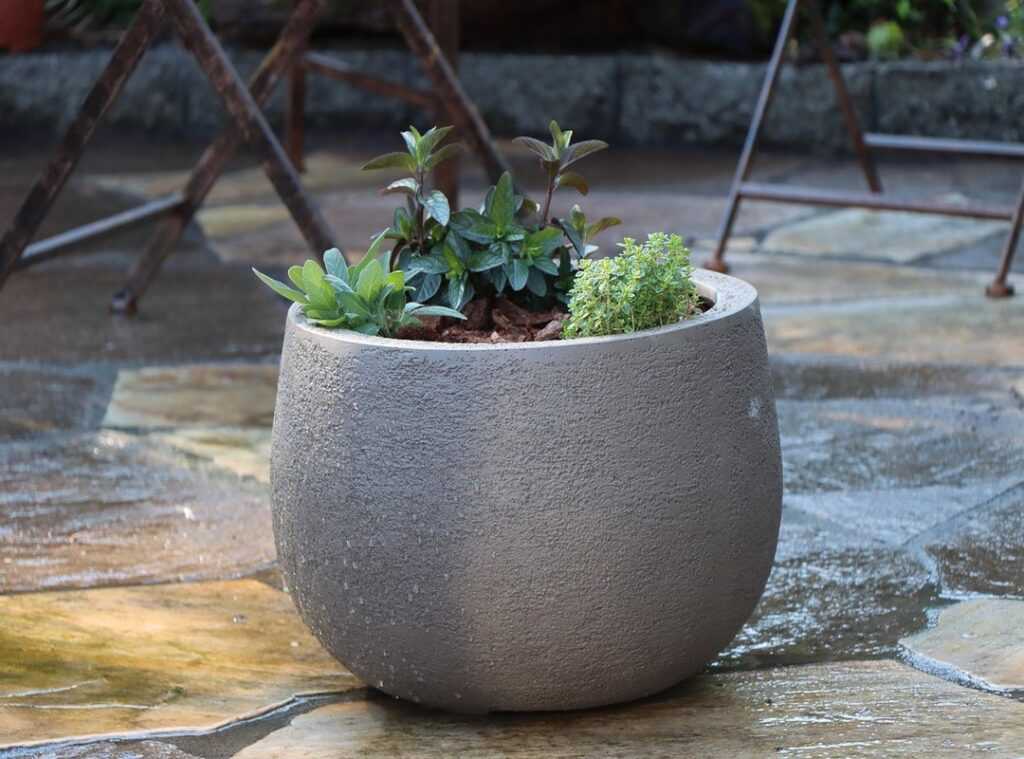
Ever craved fresh herbs for your cooking but felt stuck in a tiny apartment? That’s me too. I’ve been there, staring at my kitchen windowsill, wanting to transform it into a thriving home herb garden.
The challenge of no outdoor space is real, but not unbeatable.
I’ve spent time figuring this out, getting my hands dirty (literally), and now I’m sharing my experience. You don’t need to be an expert gardener. Just a home cook with a bit of curiosity.
In this guide, you’ll find a straightforward plan to bring lively flavors to your meals without needing a backyard.
The Culinary Payoff: Indoor Herb Garden Magic
Ever tried cooking with fresh herbs? It’s a game-changer. I mean, imagine snipping fresh basil from your own home herb garden.
The aroma hits you first. It’s like nature’s perfume. Then there’s the taste.
Fresh-cut herbs have this bold flavor that dried stuff just can’t match. You know what I mean, right?
And let’s talk money. Have you seen the price of those tiny plastic packs at the grocery store? Growing your own makes sense.
It’s cheaper in the long run, and you won’t be tossing out wilted greens. Plus, there’s something deeply satisfying about using ingredients you’ve grown yourself. It’s like adding a personal touch to every meal.
Cooking becomes more than just following a recipe. It’s an experience. You feel connected to your food in a way that’s hard to describe.
Each meal feels special, like you’re part of something bigger.
By the way, if you’re into coffee culture brewing trends, you’ll get what I mean about the sensory experience. There’s a parallel there. Both raise the ordinary to something memorable.
So, why not start your own herb garden? Trust me, your taste buds will thank you.
Finding Your Green Nook: How to Choose the Perfect Spot
Picking the right spot for your home herb garden isn’t just about plopping a pot anywhere. You need to think about light, space, and a few other things.
First up, sunlight. Herbs crave light, ideally 6+ hours a day. So, wander around your home and observe a few spots throughout the day.
Does the kitchen windowsill get full sun? That’s a convenient choice. But let’s not forget a living room shelf near a south-facing window.
It’s got the best light, though you might have to reach a bit higher.
Now, what about those tiny spaces? If you’re thinking, “I don’t have room,” think again. Going vertical is a game-changer.
Simple wall planters or tiered stands can transform even the smallest corners. Suddenly, your apartment feels like a mini jungle.
Temperature matters too. Herbs hate drafts. So, steer clear of heat vents or windows that are always open.
I learned the hard way when my basil froze next to a drafty window.
But let’s not overcomplicate it. Start with what’s practical. The kitchen windowsill is great for easy access while cooking.
Plus, it’s a constant reminder to water your plants. Yet, there’s a downside (kitchens) can get steamy. You don’t want your herbs wilting in the heat.
When you’re ready to expand, consider checking out this home herb garden. It’s loaded with fresh ideas. A pro tip?
Rotate your herbs every week or so. It keeps them growing evenly.
Choosing the perfect spot is part science, part art. It’s about balancing light and convenience. And let’s face it, a bit of trial and error.
But once you find that sweet spot, your herbs will thrive. And who doesn’t want fresh basil at arm’s reach?
Your Starter Kit: Gear You Actually Need
Starting a home herb garden sounds daunting, right? It’s not. You don’t need a ton of fancy gear to get going.

Let’s cut through the noise.
Containers first. Terracotta pots are great for drainage, but they dry out fast. Self-watering planters?
Less hassle if you’re lazy like me. Honestly, any container with drainage holes works. Got an old bucket?
Perfect. Just punch some holes in it.
Now, soil. Garden soil is too dense for containers, leaving your herbs gasping for air. Potting mix is the way to go.
It’s light, fluffy, and perfect for veggies and herbs. I’d go for an organic potting mix. It’s worth it for those fresh flavors.
Watering can be tricky. Use the “finger test” (stick your finger in the soil). It shouldn’t feel like a swamp.
A simple watering can works, or repurpose a bottle. You don’t need a high-tech solution.
Lighting? If you live in a cave (or just a dark apartment), think about LED grow lights. They’re cheap and easy.
You don’t need a degree in electrical engineering to set them up. Just plug in and watch your herbs thrive.
Pro tip: Don’t stress about perfection. Plants are pretty forgiving. A bit of light, good soil, and water, and you’re golden.
You might even get into Art Crafting Homemade Sauces with your fresh herbs.
In the end, it’s about simplicity. Keep it light, keep it fun. You’ll be amazed at what a few pots of basil and rosemary can do for your cooking.
Plus, nothing beats stepping outside to snip fresh herbs for dinner. Forget the gear. Just start.
Easy Garden Wins: Five Fail-Proof Herbs
Starting a home herb garden might seem daunting, but trust me, it’s simpler than you think. Let’s dive into the five herbs that won’t let you down.
First up, Basil. This sun-worshiper thrives in bright spots. Want to make the most of it?
Tear basil leaves over a fresh tomato and mozzarella salad. Or maybe blend them into a pesto that’ll make your pasta dance.
Next, Mint. It grows fast and takes over, so keep it in its own pot (seriously, it’ll invade everything). Perfect for muddling into cocktails or steeping into a refreshing mint tea.
Ever tried mint yogurt sauce? It’s a game-changer for grilled lamb.
Then we have Chives. These guys are resilient. Just give them a bit of sun and they’re good to go.
Snip them into scrambled eggs or sprinkle over baked potatoes. Their mild onion flavor is just what you need.
Parsley is another easy-goer. Whether it’s curly or flat-leaf, it doesn’t fuss much. Scatter parsley over grilled fish or mix it into a tabbouleh. It’s like the quiet hero of the herb world (always) there to brighten dishes.
Last but definitely not least, Rosemary. This one’s a hardy herb. It loves the sun and doesn’t mind a little neglect.
Rosemary pairs beautifully with roasted meats and potatoes. The aroma alone will make you feel like a culinary genius.
Starting a home herb garden is about connecting your garden with your kitchen. You plant it, watch it grow, and then enjoy the fresh flavors. There’s nothing more satisfying.
Start Growing and Taste the Difference
Creating a home herb garden is easier than you think. Just find a sunny spot, grab a small pot, and you’re ready. The pain?
Wanting fresh ingredients without a garden. This simple setup directly improves your cooking. It’s flexible too.
Imagine fresh basil or mint, right at your fingertips. Better cooking, less hassle.
Pick one herb from our list and a pot this weekend. You’ll be amazed at what it adds. We promise it’ll solve your kitchen woes.
Ready to spice things up? Start now and experience the transformation. You won’t regret it.
Call us!
 Aaron Meurereid writes the kind of global food trends content that people actually send to each other. Not because it's flashy or controversial, but because it's the sort of thing where you read it and immediately think of three people who need to see it. Aaron has a talent for identifying the questions that a lot of people have but haven't quite figured out how to articulate yet — and then answering them properly.
They covers a lot of ground: Global Food Trends, Explore More, Kitchen Prep Mastery, and plenty of adjacent territory that doesn't always get treated with the same seriousness. The consistency across all of it is a certain kind of respect for the reader. Aaron doesn't assume people are stupid, and they doesn't assume they know everything either. They writes for someone who is genuinely trying to figure something out — because that's usually who's actually reading. That assumption shapes everything from how they structures an explanation to how much background they includes before getting to the point.
Beyond the practical stuff, there's something in Aaron's writing that reflects a real investment in the subject — not performed enthusiasm, but the kind of sustained interest that produces insight over time. They has been paying attention to global food trends long enough that they notices things a more casual observer would miss. That depth shows up in the work in ways that are hard to fake.
Aaron Meurereid writes the kind of global food trends content that people actually send to each other. Not because it's flashy or controversial, but because it's the sort of thing where you read it and immediately think of three people who need to see it. Aaron has a talent for identifying the questions that a lot of people have but haven't quite figured out how to articulate yet — and then answering them properly.
They covers a lot of ground: Global Food Trends, Explore More, Kitchen Prep Mastery, and plenty of adjacent territory that doesn't always get treated with the same seriousness. The consistency across all of it is a certain kind of respect for the reader. Aaron doesn't assume people are stupid, and they doesn't assume they know everything either. They writes for someone who is genuinely trying to figure something out — because that's usually who's actually reading. That assumption shapes everything from how they structures an explanation to how much background they includes before getting to the point.
Beyond the practical stuff, there's something in Aaron's writing that reflects a real investment in the subject — not performed enthusiasm, but the kind of sustained interest that produces insight over time. They has been paying attention to global food trends long enough that they notices things a more casual observer would miss. That depth shows up in the work in ways that are hard to fake.