
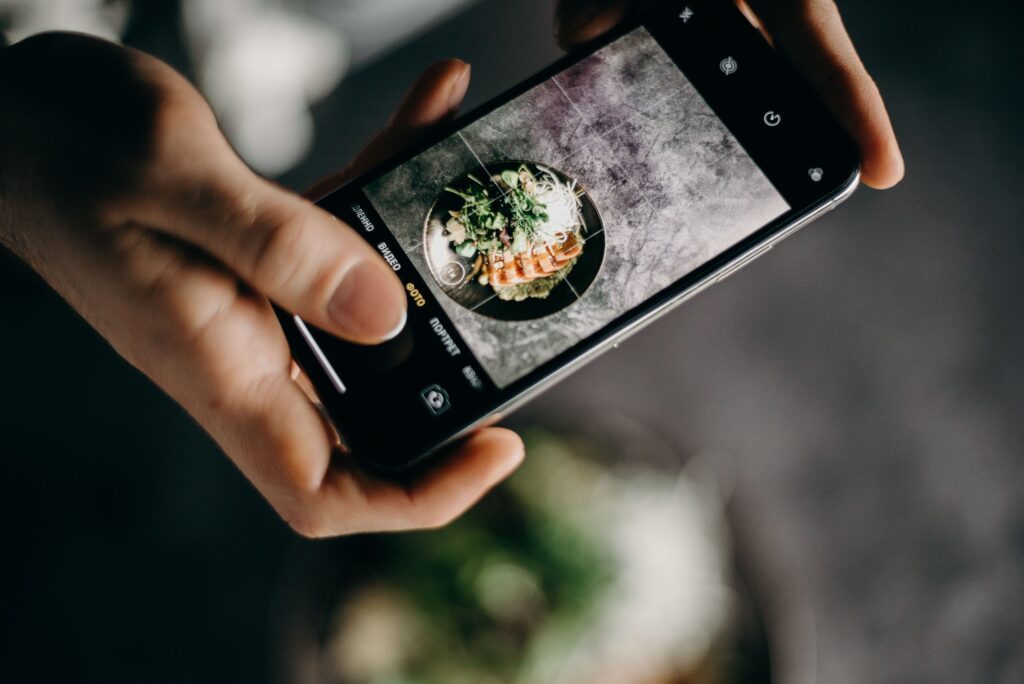
Home cooking has experienced a remarkable transformation over the past decade. What was once largely influenced by regional traditions and family recipes is now shaped by global connectivity, social media, streaming content, and easier access to international ingredients. As a result, home cooks are becoming increasingly adventurous, exploring cuisines and cooking techniques from around the world without leaving their kitchens.
Industry research continues to show strong consumer interest in international foods, with grocery retailers expanding their offerings to meet growing demand. Specialty ingredients that were once difficult to find have become widely available, allowing people to experiment with authentic dishes from diverse culinary traditions.
This growing curiosity about global cuisine is helping redefine everyday cooking habits while encouraging greater cultural exploration through food.
Social Media Has Expanded Culinary Discovery
One of the biggest drivers of global food exploration has been social media. Platforms such as Instagram, TikTok, YouTube, and Pinterest expose users to cooking styles, recipes, and food cultures from nearly every corner of the world.
Home cooks regularly discover:
- international street foods
- regional cooking techniques
- traditional family recipes
- ingredient substitutions
- cultural food traditions
Short-form cooking videos have been particularly influential, making unfamiliar recipes feel approachable and achievable.
As a result, many consumers are incorporating international dishes into their regular meal rotations.
Global Ingredients Are More Accessible Than Ever
The availability of international ingredients has improved dramatically in recent years.
Many supermarkets now stock:
- specialty spices
- international sauces
- imported grains
- regional condiments
- culturally specific produce
Online grocery services have further expanded access, allowing consumers to purchase ingredients that may not be available locally.
This increased accessibility has lowered barriers for home cooks interested in recreating authentic international dishes.
Mediterranean Cuisine Continues to Influence Cooking Trends
Among the many global culinary influences, Mediterranean diet-inspired meals remain especially popular. Their emphasis on vegetables, legumes, olive oil, whole grains, and lean proteins aligns with growing consumer interest in balanced and sustainable eating habits.
Popular Mediterranean-inspired dishes often feature:
- fresh vegetables
- seafood
- legumes
- herbs and spices
- healthy fats
Nutrition experts frequently highlight the Mediterranean approach as one of the world’s most widely studied dietary patterns, contributing to its ongoing popularity.
The versatility of these recipes also makes them appealing for home cooks seeking both flavor and convenience.
Plant-Based Traditions Are Driving New Interest
As consumers explore international cuisines, many are discovering that plant-based traditions are particularly popular across numerous cultures.
Examples include:
- Indian lentil-based dishes
- Middle Eastern chickpea recipes
- Mediterranean vegetable preparations
- East Asian tofu-centered meals
- Latin American bean-based cuisine
These culinary traditions demonstrate that plant-based eating is not a modern invention but rather a longstanding component of many global food cultures.
Their popularity has helped inspire a broader range of meat-free cooking options in households around the world.
Food Content Has Become a Major Form of Entertainment
Cooking is increasingly viewed not only as a practical activity but also as a form of entertainment.
Food-related content now includes:
- recipe tutorials
- travel cooking programs
- chef interviews
- cultural food documentaries
- live cooking demonstrations
The growth of food-focused digital media has made culinary exploration more accessible and engaging for audiences of all skill levels.
Many consumers discover new cuisines through content before attempting recipes themselves.
Technology Is Supporting Culinary Exploration
Digital tools have made it easier than ever to experiment with unfamiliar dishes.
Modern resources include:
- recipe applications
- ingredient conversion tools
- instructional videos
- meal planning platforms
- online cooking communities
These technologies help reduce uncertainty and increase confidence when preparing international recipes.
As a result, home cooks are more willing to explore cuisines that may have once seemed intimidating.
Global Events Often Influence Food Curiosity
Major international events frequently encourage interest in different cultures, including their culinary traditions. Sporting tournaments, travel experiences, and global media coverage often expose audiences to foods they may not have previously encountered.
In today’s interconnected digital environment, consumers regularly move between travel content, cultural exploration, entertainment, and sports discussions. For example, someone researching international destinations or following tournament coverage may also encounter conversations about odds for the World Cup at DraftKings while simultaneously discovering recipes associated with participating countries.
These overlapping interests contribute to broader cultural curiosity and food exploration.
Authenticity and Adaptation Can Coexist
One interesting aspect of global cooking trends is the balance between authenticity and adaptation.
Home cooks often:
- follow traditional recipes closely
- modify dishes based on available ingredients
- adjust spice levels
- accommodate dietary preferences
- blend culinary influences
This flexibility allows people to engage with international cuisines while tailoring recipes to their own tastes and circumstances.
Many culinary experts view this exchange as a natural part of how food cultures evolve over time.
Sustainability Is Influencing Global Food Choices
Environmental considerations are also shaping culinary trends.
Consumers increasingly seek:
- locally sourced ingredients
- seasonal produce
- reduced food waste
- plant-forward meals
- sustainable seafood options
Many traditional global cuisines align naturally with these priorities, making them attractive to environmentally conscious cooks.
This connection between sustainability and international food traditions is likely to remain influential in the years ahead.
A World of Flavors at Home
The growing popularity of international cooking reflects a broader shift toward curiosity, accessibility, and cultural exploration. With greater access to ingredients, educational resources, and digital inspiration, home cooks are embracing flavors and techniques from around the globe like never before.
From Mediterranean diet-inspired meals to plant-based traditions that have been celebrated for generations, global cuisine continues to offer endless opportunities for discovery. As technology and connectivity further expand access to culinary knowledge, home kitchens are becoming gateways to cultures, traditions, and experiences from every part of the world.
 Deyvanna Zelthanna writes the kind of kitchen prep mastery content that people actually send to each other. Not because it's flashy or controversial, but because it's the sort of thing where you read it and immediately think of three people who need to see it. Deyvanna has a talent for identifying the questions that a lot of people have but haven't quite figured out how to articulate yet — and then answering them properly.
They covers a lot of ground: Kitchen Prep Mastery, Global Food Trends, Culinary Pulse, and plenty of adjacent territory that doesn't always get treated with the same seriousness. The consistency across all of it is a certain kind of respect for the reader. Deyvanna doesn't assume people are stupid, and they doesn't assume they know everything either. They writes for someone who is genuinely trying to figure something out — because that's usually who's actually reading. That assumption shapes everything from how they structures an explanation to how much background they includes before getting to the point.
Beyond the practical stuff, there's something in Deyvanna's writing that reflects a real investment in the subject — not performed enthusiasm, but the kind of sustained interest that produces insight over time. They has been paying attention to kitchen prep mastery long enough that they notices things a more casual observer would miss. That depth shows up in the work in ways that are hard to fake.
Deyvanna Zelthanna writes the kind of kitchen prep mastery content that people actually send to each other. Not because it's flashy or controversial, but because it's the sort of thing where you read it and immediately think of three people who need to see it. Deyvanna has a talent for identifying the questions that a lot of people have but haven't quite figured out how to articulate yet — and then answering them properly.
They covers a lot of ground: Kitchen Prep Mastery, Global Food Trends, Culinary Pulse, and plenty of adjacent territory that doesn't always get treated with the same seriousness. The consistency across all of it is a certain kind of respect for the reader. Deyvanna doesn't assume people are stupid, and they doesn't assume they know everything either. They writes for someone who is genuinely trying to figure something out — because that's usually who's actually reading. That assumption shapes everything from how they structures an explanation to how much background they includes before getting to the point.
Beyond the practical stuff, there's something in Deyvanna's writing that reflects a real investment in the subject — not performed enthusiasm, but the kind of sustained interest that produces insight over time. They has been paying attention to kitchen prep mastery long enough that they notices things a more casual observer would miss. That depth shows up in the work in ways that are hard to fake.