
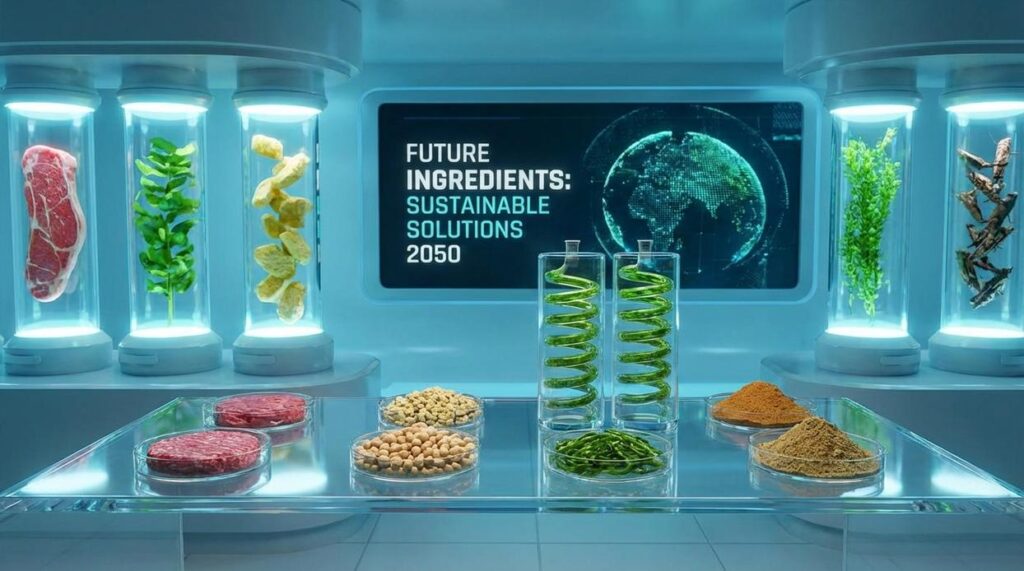
You’re probably here because you’re hearing more and more about plant-based food trends—but the phrase seems to mean something different everywhere you look.
Is it vegan? Vegetarian? Flexitarian? The definitions blur, and the result is confusion instead of clarity.
That’s why we created this guide.
We’re not here to debate labels. Instead, we’re diving into the real shifts happening on plates around the world—from bold global flavors and new culinary techniques to the powerhouse ingredients transforming what it means to eat plant-forward.
We studied the evolving food landscape, analyzed how chefs and home cooks are redefining their meals, and identified the key trends reshaping what’s delicious, nourishing, and sustainable.
You’ll leave this article with a crystal-clear picture of where plant-based food trends are heading—and practical inspiration for bringing these fresh ideas into your own kitchen.
The New Plant-Forward Spectrum: From Reducetarian to Climatarian
Let’s be real—navigating modern diets can feel like decoding a secret menu at a hip vegan café. (You know the kind—where “beef” is made from beets and avocado is its own food group.) But the plant-forward movement isn’t just another trend—it’s a spectrum. And understanding where you fall on it? That can make everything less overwhelming.
Here’s the thing: not everyone’s ready to go full vegan overnight (or, ever). This is where terms like Flexitarian, Reducetarian, and Climatarian come in. Yes, they’re real. And no, they’re not just buzzwords made up for Instagram bios.
- Flexitarians mostly eat plants but occasionally enjoy animal products.
- Reducetarians focus on reducing—not eliminating—meat and dairy intentionally, often for sustainability or health reasons.
- Climatarians choose foods with a lower carbon footprint—swapping beef for chicken, buying local, or skipping air-freighted produce.
But here’s the frustration: too often, people treat food choices as all-or-nothing. Either you’re perfect or you failed. (Spoiler: that mindset doesn’t help anyone.)
A Reducetarian week might look like this: Meatless Monday, tofu stir fry on Wednesday, and local chicken tacos Friday. It’s flexible but intentional. Add more beans, lentils, and grains—instead of obsessing over what to cut.
And yes, this even fits within today’s evolving plant-based food trends (without needing an entirely new pantry).
Pro tip: Label-reading gets easier. Start with what’s in season, then build from there. Your taste buds—and the planet—will thank you.
The Pulse Revolution: The Foundation of Modern Plant-Based Cuisine
Pulses are having a moment—and it’s not just because they’re easy on the wallet.
In the world of plant-based food trends, few ingredients rival the subtle power of lentils, chickpeas, and beans. High in protein, rich in fiber, and shockingly versatile, pulses are the quiet backbone of global meatless meals.
Still, some skeptics argue tofu or tempeh outshine pulses because of their meat-like textures. But here’s the comparison: tofu may mimic meat, but pulses create their own identity. Chickpeas, for example, blend into rich hummus (ever tried adding roasted garlic and sumac?), crisp up perfectly when roasted with paprika, or mash effortlessly into a creamy sandwich filling—three completely different dishes, one humble ingredient.
Looking to elevate your palate? Let’s go global. A smoky black bean burger topped with chipotle-lime aioli competes easily with any beef-based burger. Red lentils melt into a harissa-spiced stew with North African roots, while chickpeas simmered in garam masala bring home the deep flavors of Indian curries. Pulses don’t just take on other cuisines—they elevate them.
Texture-wise, pulses also pull ahead of other plant proteins. Red lentils break down into a lush, velvety base; black beans add bulk and boldness to patties; and chickpeas turn creamy under the touch of a blender. (Seriously, you haven’t lived until you’ve tried chickpea-based chocolate mousse.)
Pro tip: Keep canned pulses stocked. They’re shelf-stable, quick to use, and infinitely adaptable.
Pulses vs everything else? When it comes to flavor, function, and global appeal—they’ve already won.
Ingredients on the Horizon: Exploring the Next Wave

Let’s face it: pantry staples are evolving, and what used to be fringe ingredients are now standing center stage. But when it comes to choosing between them, how do you decide which horizon-bound hero belongs in your kitchen?
From the Sea: Take kelp vs dulse. Both are sea vegetables rich in umami (that fifth taste people used to call savory before foodies gave it its Japanese name). Kelp flakes work great as a low-sodium salt swap in soups, while dulse packs a smoky punch when pan-fried—bacon-like, but ocean-born. Nori? That’s your go-to for a crispy snack or quick sushi wrap.
The Power of Fungi: Button mushrooms are fine, but why not go deeper? Lion’s mane offers a seafood-adjacent texture (some swear it mimics crab cakes), while oyster mushrooms bring meaty chewiness that works beautifully in tacos or stir-fries. Mycoproteins like Quorn? Built for those craving structure and plant-based food trends without sacrificing flavor.
Ancient Grains, Modern Kitchens: Amaranth and teff are nutrient-rich and naturally gluten-free, but fonio may win on cook time (it’s lightning fast). Amaranth thickens stews; teff shines in injera. Fonio? Think couscous, but nuttier and more forgiving.
Pro tip: For beginners, try swapping ground meat for finely chopped oyster mushrooms in chili. You just might not miss the meat.
The Flavor-First Approach: Techniques for a Better Plant-Based Plate
Let’s be honest—going plant-based doesn’t have to mean settling for bland. The secret? Building layers of bold, satisfying flavor that hit all the right notes.
Start with umami, that elusive savory depth usually credited to meat. You can mimic it beautifully with ingredients like miso paste (salty and rich), nutritional yeast (cheesy and nutty), tamari (a smoother cousin of soy sauce), and sun-dried tomatoes (sweet, tangy, and intense). Think of them as the bass notes in your dish—subtle but essential.
Next, dive into the Maillard reaction—that magical browning you get from roasting cauliflower until its edges crisp into golden perfection, or when seared tofu hisses on a hot skillet. It’s not just color; it’s flavor intensified (and yes, your kitchen will smell amazing).
Then comes balance. Acid like lemon juice or balsamic vinegar cuts through richness, while creamy fats—avocado, tahini, olive oil—round out each bite.
Pro tip: Whisk up a vinaigrette with olive oil, Dijon, maple syrup, garlic, and cider vinegar. It’ll jazz up any grain bowl.
After all, the flavor-first approach is redefining plant-based food trends one craveable plate at a time.
As more people embrace the benefits of plant-based diets globally, exploring diverse and delicious recipes can enhance this culinary journey, making articles like ‘Healthy Nourishment Cwbiancarecipes‘ an invaluable resource for anyone looking to incorporate wholesome, plant-based meals into their lifestyle.
Your Journey into Plant-Forward Eating Starts Now
You came here looking for clarity—and hopefully a little inspiration—in the ever-shifting world of plant-based food trends.
Let’s be honest: food trends can feel overwhelming. One day it’s oat milk, the next it’s sea moss smoothies. But plant-forward eating doesn’t have to be intimidating or restrictive.
This is a flexible, flavor-packed way of cooking that focuses on real ingredients and cornerstone techniques. Once you understand how to work with pulses or layer global seasonings, you’re not just following trends—you’re setting your own.
You now know: plant-forward cooking isn’t about giving things up. It’s about gaining creativity, satisfaction, and nourishment.
So here’s your next move—pick just one new ingredient or technique from this guide. Try it out this week. See where it takes your cooking.
Thousands of home cooks are using this approach to transform their meals—with flavor, not fuss.
Start your plant-forward journey today. Cook something new. Let your plate lead the way.
 Aaron Meurereid writes the kind of global food trends content that people actually send to each other. Not because it's flashy or controversial, but because it's the sort of thing where you read it and immediately think of three people who need to see it. Aaron has a talent for identifying the questions that a lot of people have but haven't quite figured out how to articulate yet — and then answering them properly.
They covers a lot of ground: Global Food Trends, Explore More, Kitchen Prep Mastery, and plenty of adjacent territory that doesn't always get treated with the same seriousness. The consistency across all of it is a certain kind of respect for the reader. Aaron doesn't assume people are stupid, and they doesn't assume they know everything either. They writes for someone who is genuinely trying to figure something out — because that's usually who's actually reading. That assumption shapes everything from how they structures an explanation to how much background they includes before getting to the point.
Beyond the practical stuff, there's something in Aaron's writing that reflects a real investment in the subject — not performed enthusiasm, but the kind of sustained interest that produces insight over time. They has been paying attention to global food trends long enough that they notices things a more casual observer would miss. That depth shows up in the work in ways that are hard to fake.
Aaron Meurereid writes the kind of global food trends content that people actually send to each other. Not because it's flashy or controversial, but because it's the sort of thing where you read it and immediately think of three people who need to see it. Aaron has a talent for identifying the questions that a lot of people have but haven't quite figured out how to articulate yet — and then answering them properly.
They covers a lot of ground: Global Food Trends, Explore More, Kitchen Prep Mastery, and plenty of adjacent territory that doesn't always get treated with the same seriousness. The consistency across all of it is a certain kind of respect for the reader. Aaron doesn't assume people are stupid, and they doesn't assume they know everything either. They writes for someone who is genuinely trying to figure something out — because that's usually who's actually reading. That assumption shapes everything from how they structures an explanation to how much background they includes before getting to the point.
Beyond the practical stuff, there's something in Aaron's writing that reflects a real investment in the subject — not performed enthusiasm, but the kind of sustained interest that produces insight over time. They has been paying attention to global food trends long enough that they notices things a more casual observer would miss. That depth shows up in the work in ways that are hard to fake.