
Drawing can be tough, especially when you’re trying to make your characters look alive. Stiff, lifeless poses can really kill the vibe.
This guide is here to help. I’ll show you how to draw base mujer poses anime that are dynamic and expressive.
You’ll learn not just what poses to draw, but why they work. We’ll dive into principles like line of action and weight distribution.
This guide is for artists of all levels. Whether you’re a beginner or have some experience, there’s something here for you.
I’ve analyzed hundreds of popular anime to break down the core techniques used by pros. Trust me, this stuff works.
The 3 Core Principles Behind Every Great Anime Pose
When you’re drawing anime, getting the pose right is key. Let’s break it down into three simple principles.
First up, the line of action. This is an invisible, curved line that runs through a character’s body. It defines the energy and flow of the pose.
Think of it as an S or C curve.
Next, center of gravity and balance. You want your character to look grounded, not like they’re about to fall over. A good rule is the one-foot rule for standing poses.
Make sure one foot is firmly planted on the ground.
Then there’s exaggeration and silhouette. Anime art loves to exaggerate features and movements to enhance emotion and action. A clear, recognizable silhouette is crucial.
It helps the viewer understand the pose at a glance.
Pro tip: Before adding details, sketch the line of action and a simple stick figure. This helps nail the pose’s foundation first.
These principles apply to drawing base mujer poses anime too. Female characters often have different body language and posture. Pay attention to these nuances to make your poses more dynamic and realistic.
Mastering Iconic Standing and Action Poses
Let’s dive into some iconic poses that can make your characters stand out. Whether you’re drawing a superhero, an anime character, or just a regular person, these poses can add a lot of personality.
Confident Hero Stance
– Wide leg stance: Feet apart, giving a solid base.
– Hands on hips: Fingers spread, showing confidence.
– Straight posture: Shoulders back, head held high.
This pose conveys power and determination. It’s perfect for those moments when your character needs to look like they can take on the world.
Dynamic Mid-Air Leap
– Curled-in legs: Legs bent, almost hugging the body.
– Outstretched arms: Arms extended for balance.
– Arched back: Back curved, adding to the sense of movement.
This pose creates a sense of weightlessness and movement. It’s great for action scenes where your character is in full flight.
Casual Contrapposto Lean
– Weight shifted to one leg: One leg straight, the other slightly bent.
– Hips and shoulders angled: The body forms a gentle S-shape.
The contrapposto lean is a classic pose that makes your character look natural and relaxed. It’s a go-to for casual, everyday scenes.
Ready for Battle Crouch
– Low center of gravity: Knees bent, feet flat on the ground.
– Bent knees: Legs ready to spring into action.
– Forward-leaning torso: Body angled forward, eyes focused.
This crouch communicates anticipation and readiness. Use it when your character is about to face a challenge or enter a fight.
Pro tip: When drawing these poses, think about the emotion or personality you want to convey. The Confident Hero Stance shows strength, the Dynamic Mid-Air Leap shows agility, the Casual Contrapposto Lean shows relaxation, and the Ready for Battle Crouch shows alertness.
Remember, practice makes perfect. Try sketching these poses with different characters, like a base mujer poses anime, to see how they can change the feel of the scene.
Conveying Personality with Sitting and Expressive Poses
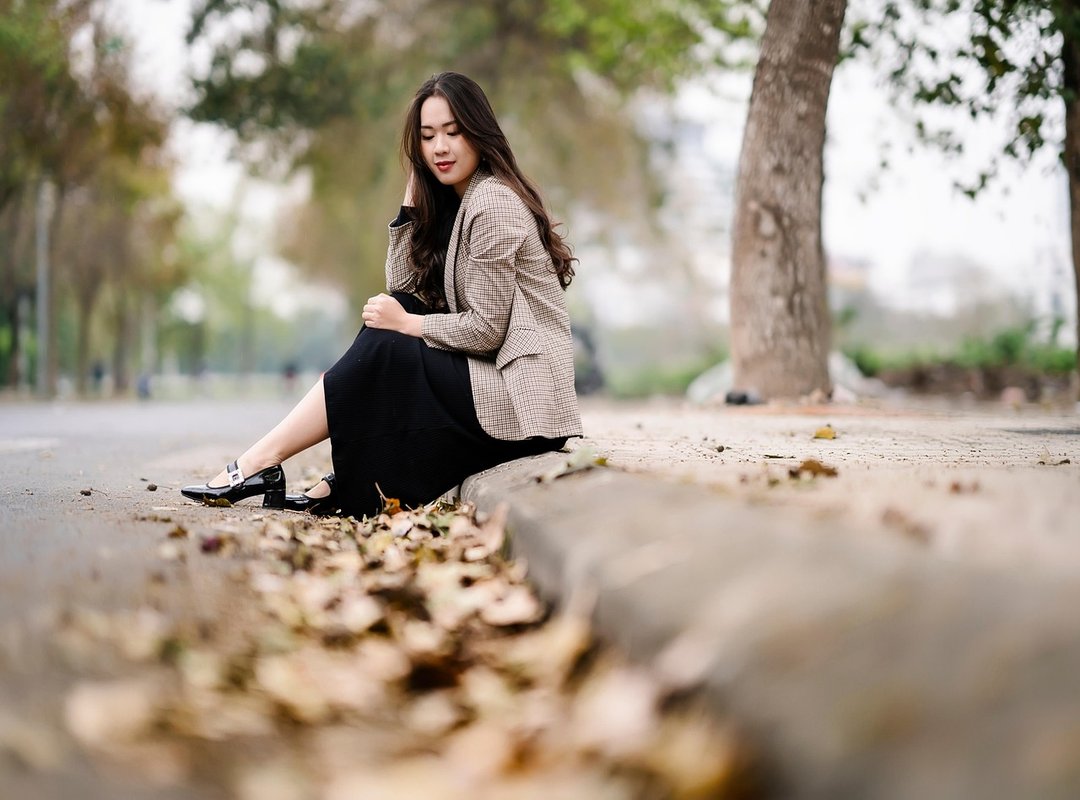
Let’s dive into some common poses and what they can say about a character.
Thoughtful Knees-Up Sitting Pose base mujer poses anime
When you see a character hugging their knees, it often shows introspection, sadness, or comfort. The head position is key here. A downcast head suggests sadness or deep thought.
Looking up, on the other hand, can indicate hope or a moment of clarity.
Shy or Bashful Stance
This one’s pretty straightforward. Pigeon-toed feet, hands clasped behind the back or in front, and a slight inward curve of the shoulders. These elements together create a sense of shyness or bashfulness.
It’s like the character is trying to make themselves smaller, almost as if they want to blend into the background.
Graceful Reclining Pose
Drawing a character lying on their side or back without looking stiff can be tricky. Focus on the gentle curves of the spine and limbs. The key is to make the pose look natural, not forced.
Think about how the body would naturally rest and try to capture that fluidity.
Playful and Energetic Pose
Imagine a character leaning forward with excitement, maybe with one leg kicked up. This pose screams joy and eagerness. Subtle shifts in posture, hand placement, and head tilt can completely alter the emotional message.
For example, a slightly tilted head and wide eyes can add to the playful vibe.
Pro Tip: When drawing base mujer poses anime, pay attention to these subtle details. They can make a huge difference in how the character is perceived.
Common Mistakes and How to Fix Them Instantly
You know that feeling when you look at a drawing, and something just feels off? It’s like the character is stuck in a weird, unnatural pose. Let’s talk about that.
First up: Symmetry Syndrome. Perfectly symmetrical poses look unnatural and robotic. The fix?
Always incorporate some asymmetry and contrapposto. This makes your characters look more dynamic and real.
Next, there’s Floating Feet. Characters who don’t look connected to the ground can ruin an otherwise great drawing. The fix?
Use perspective lines and add small shadows under the feet to anchor them. Simple, but it makes a big difference.
Stiff Limbs or Sausage Arms. Drawing limbs as rigid tubes kills dynamism. The fix?
Include a slight bend in elbows and knees, even in a ‘straight’ arm or leg. This adds life and movement to your figures.
Broken Anatomy. Impossible twists in the torso or disproportionate limbs can make your drawings look amateurish. The fix?
Use a simple mannequin or skeleton base to check proportions before adding details. This is especially important for complex poses like base mujer poses anime.
By avoiding these common mistakes, you’ll take your drawing skills to the next level. Trust me, these fixes are game-changers.
Start Drawing More Lifelike Characters Today
Great poses come from understanding the principles of motion and emotion, not just copying lines. You now have a foundational toolkit to analyze existing poses and create your own unique ones.
Pick one pose from this guide and try sketching it for 15 minutes right now.
Consistent practice, using these fundamental techniques, is the fastest way to bring your characters to life.
 Aaron Meurereid writes the kind of global food trends content that people actually send to each other. Not because it's flashy or controversial, but because it's the sort of thing where you read it and immediately think of three people who need to see it. Aaron has a talent for identifying the questions that a lot of people have but haven't quite figured out how to articulate yet — and then answering them properly.
They covers a lot of ground: Global Food Trends, Explore More, Kitchen Prep Mastery, and plenty of adjacent territory that doesn't always get treated with the same seriousness. The consistency across all of it is a certain kind of respect for the reader. Aaron doesn't assume people are stupid, and they doesn't assume they know everything either. They writes for someone who is genuinely trying to figure something out — because that's usually who's actually reading. That assumption shapes everything from how they structures an explanation to how much background they includes before getting to the point.
Beyond the practical stuff, there's something in Aaron's writing that reflects a real investment in the subject — not performed enthusiasm, but the kind of sustained interest that produces insight over time. They has been paying attention to global food trends long enough that they notices things a more casual observer would miss. That depth shows up in the work in ways that are hard to fake.
Aaron Meurereid writes the kind of global food trends content that people actually send to each other. Not because it's flashy or controversial, but because it's the sort of thing where you read it and immediately think of three people who need to see it. Aaron has a talent for identifying the questions that a lot of people have but haven't quite figured out how to articulate yet — and then answering them properly.
They covers a lot of ground: Global Food Trends, Explore More, Kitchen Prep Mastery, and plenty of adjacent territory that doesn't always get treated with the same seriousness. The consistency across all of it is a certain kind of respect for the reader. Aaron doesn't assume people are stupid, and they doesn't assume they know everything either. They writes for someone who is genuinely trying to figure something out — because that's usually who's actually reading. That assumption shapes everything from how they structures an explanation to how much background they includes before getting to the point.
Beyond the practical stuff, there's something in Aaron's writing that reflects a real investment in the subject — not performed enthusiasm, but the kind of sustained interest that produces insight over time. They has been paying attention to global food trends long enough that they notices things a more casual observer would miss. That depth shows up in the work in ways that are hard to fake.