
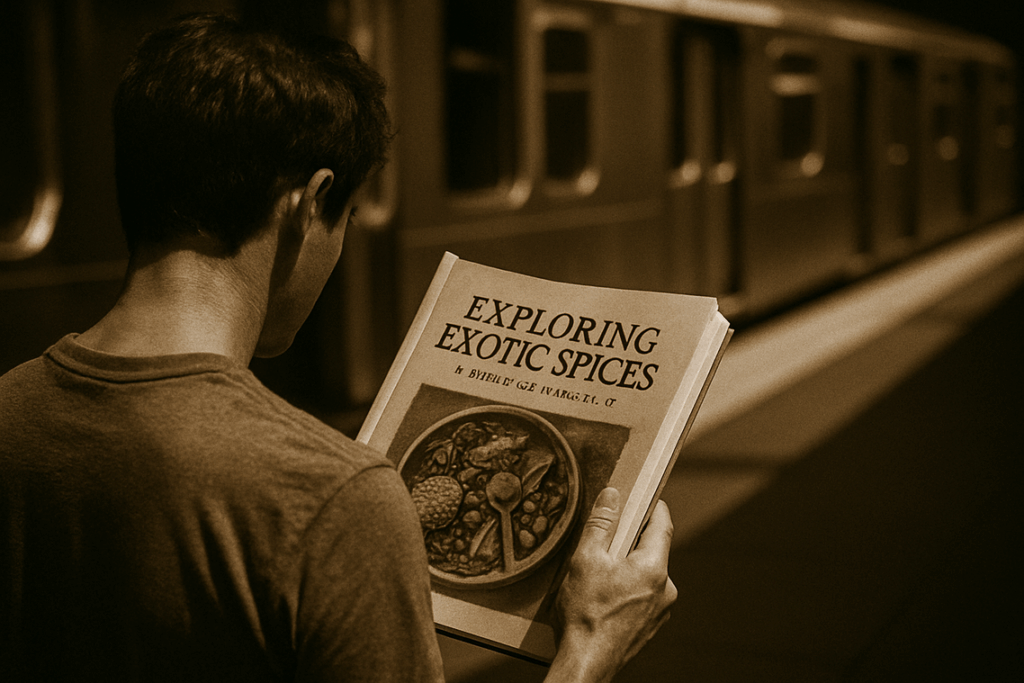
You’re probably here because you’re craving something deeper than the usual restaurant recommendations — a way to truly connect with the world through its flavors. I get it. It’s one thing to eat well; it’s another to experience a food and travel culture that tells a story.
This guide isn’t just about where to eat — it’s about why those places matter. Every dish has a history, every market a culture, and every bite a memory waiting to be made.
I’ve spent years exploring how tradition, taste, and travel intersect. This isn’t a highlight reel of trendy spots — it’s a curated journey through authentic culinary experiences that reveal the heart of a place.
Whether you’re planning your next trip or looking to recreate global dishes in your own kitchen, this guide will show you how to find the real flavors — the ones locals swear by and travelers remember.
We’re diving into iconic food destinations, centuries-old recipes, and practical ways to bring food and travel culture into your everyday life.
The Philosophy of Flavor: How to Eat Like a Local, Anywhere
Travelers often rely on guidebooks and restaurant rankings, but if you really want to know a place? Eat like the locals do.
In places like Bangkok, hawker stalls serve bowls of boat noodles that locals swear by—often passed down through generations. In Oaxaca, don’t just order mole poblano in a restaurant; find it at a Sunday tianguis (open-air market), where you’ll see how it’s made—and who’s buying.
Some might argue that eating at well-reviewed restaurants offers a more consistent or refined experience. Fair—but consistency isn’t the goal here. Authenticity is. Menus curated for tourists rarely reflect the soul of a region’s cuisine.
Here’s how to eat like a local, wherever you land:
- Start at the market: Think of it as a crash course in the region’s flavors and farming cycles.
- Hunt for street food classics: In Ho Chi Minh City, that means bánh mì or phở from roadside carts.
- Ask locals in their language: A simple “What’s your favorite dish here?” goes a long way.
- Embrace odd pairings: Yes, sardines on toast are breakfast royalty in Lisbon.
Pro Tip: Brush up on basic terms like “specialty” or “fresh”—they’re your passport to true food and travel culture.
Destination Deep Dive: The Mediterranean’s Sun-Drenched Traditions
Most travel and food shows give you glossy panoramas of the Mediterranean, but they skip something essential: how deeply local culture shapes the way people eat every day. We’re diving deeper—past the pasta and picturesque beaches—into the nuanced traditions that make Mediterranean cuisine a living, breathing reflection of its people.
Italy – The Art of Simplicity
Everyone talks about pizza and pasta, but few highlight the North vs. South flavor divide. In the North, rich dishes powered by butter, cream, and cheeses dominate (think risotto alla Milanese), while the South leans into sun-grown tomatoes, oregano, and olive oil (Pro tip: try Apulia’s orecchiette with turnip tops—pure simplicity, pure genius).
Greece – A Taste of History
Yes, olive oil and feta are Greek staples—but what about meze? These shared plates are more than a meal: they’re a lifestyle of conversation and connection (you could say Greece invented the original grazing board). While others mention ingredients, we emphasize the ritual.
Spain – A Mosaic of Flavors
Spain’s culinary map is famously flavorful, but underexplored regions like Extremadura offer incredible cured meats and paprika-driven stews not yet on every foodie’s radar (yet). Tapas aren’t just trends—they’re centuries-old markers of local identity.
Mediterranean food isn’t static. It’s food and travel culture—alive, adaptive, and deeply regional.
Destination Deep Dive: The Vibrant Spice Routes of Asia
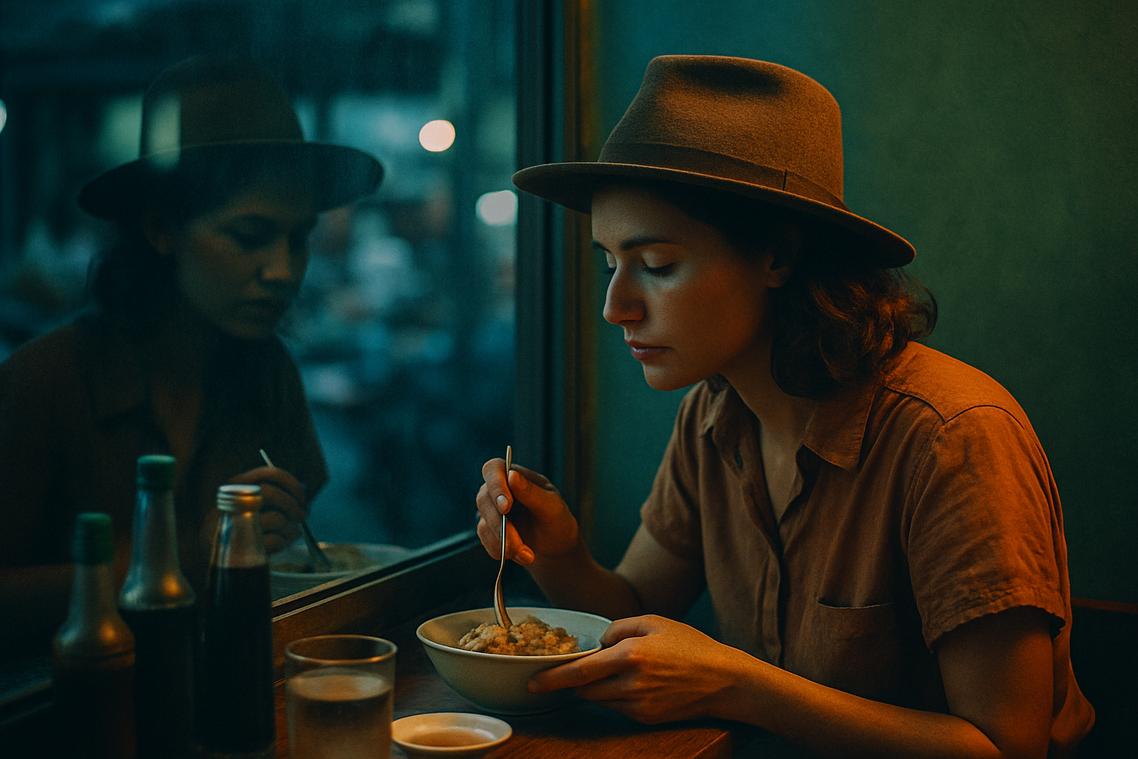
Let’s rewind to the early 2000s, when Thai food exploded onto the global stage. Suddenly, Tom Yum soup wasn’t just something you had on vacation—it was in mall food courts and high-end kitchens alike. But here’s what many missed in the hype: Thai cuisine is built on balance—sweet, sour, salty, and spicy all pulling equal weight. Green Curry? That’s not just heat. It’s precision.
Some argue Vietnamese food is too simple—light broths, rice noodles, not enough “wow.” But that misses the quiet complexity. Take Pho: hours of simmering beef bones, star anise, charred ginger—all building depth without heaviness. And Banh Mi? A pop culture mash-up of French baguettes and Vietnamese pickles (proof colonization changed culinary history, for better or worse).
Back in 2011, umami became a buzzword outside Japan, but ask anyone who’s wandered an Osaka ramen alley at midnight—it’s been honored there for centuries. Japanese food isn’t just measured in stars, it’s an art of timing, temperature, texture. Kaiseki dinners unfold like theater—course by course, hour by hour.
Pro tip: Start a food and travel culture journal—tracking what you taste changes how you travel.
For the next generation of tiny taste-testers, check out cooking with kids fun culinary projects for the whole family.
Bringing the World to Your Kitchen: A Practical Guide
Let’s clear something up.
You don’t need a passport or a Michelin-star kitchen to cook globally inspired dishes at home. What you do need is a solid foundation—and it starts with the pantry.
The Essential Global Pantry
First, let’s talk staples. No, not the office kind.
A thoughtfully stocked pantry can transform your cooking. Here are five global essentials to unlock countless recipes:
- High-quality soy sauce – not that packet stuff. Real soy sauce adds umami, the savory fifth taste found in everything from sushi to stews.
- Fish sauce – a Thai and Vietnamese star that’s pungent raw but magical once cooked (trust us, it’s liquid gold in small doses).
- Smoked paprika – brings a subtle smoke and sweet heat. Think Spanish tapas in every sprinkle.
- Cumin seeds – whole, not ground. Toast them lightly before use and you’ll unlock earthy, nutty notes common in Indian, Middle Eastern, and Mexican cuisine.
- Extra virgin olive oil – cold-pressed, with bold flavor. If your bottle says “light,” it’s not the one.
Pro tip: Want ingredients with staying power? These five—when stored properly—last months, if not longer.
Mastering Foundational Techniques
Now, forget the air fryer for a sec.
Before gadgets, master basics like:
- How to stir-fry: high heat, quick tosses, and prepped ingredients ready to roll.
- Building a balanced vinaigrette: 3 parts oil, 1 part acid (like vinegar or lemon juice), then build from there.
- Understanding heat control: high for searing, low and slow for tender braises.
Fusion Flavor for Beginners
Feeling adventurous? Start small.
Next time you roast veggies, toss in soy sauce, fresh ginger, and sesame oil for a hint of food and travel culture. It’s not about gimmicks—it’s about layering flavor.
Recipe Inspiration
Still not sure where to begin?
Try Aglio e Olio: spaghetti, garlic, olive oil, red pepper flakes, a little pasta water. That’s it. Simple. Classic. And proof that great meals come from humble beginnings.
Your Culinary Adventure Awaits
You came here looking for a way to truly connect with cultures beyond tourist paths and guidebooks.
The secret? It’s on your plate.
Food and travel culture are inseparable—and this guide gave you the roadmap. From bustling markets to ancestral recipes and unique regional spices, you now understand how to explore the world through its flavors.
The journey to authenticity no longer feels out of reach. With the right curiosity—and a willingness to try something new—you can tap into any culture’s soul through their food.
Here’s what you should do next: Pick a region that excites you. Try one new recipe this week. Recreate the flavor and start your own delicious journey of discovery.
Looking for inspiration that actually delivers? Our recipe insights and flavor trends are trusted by food explorers around the globe. Now it’s your turn to taste the world.
 Deyvanna Zelthanna writes the kind of kitchen prep mastery content that people actually send to each other. Not because it's flashy or controversial, but because it's the sort of thing where you read it and immediately think of three people who need to see it. Deyvanna has a talent for identifying the questions that a lot of people have but haven't quite figured out how to articulate yet — and then answering them properly.
They covers a lot of ground: Kitchen Prep Mastery, Global Food Trends, Culinary Pulse, and plenty of adjacent territory that doesn't always get treated with the same seriousness. The consistency across all of it is a certain kind of respect for the reader. Deyvanna doesn't assume people are stupid, and they doesn't assume they know everything either. They writes for someone who is genuinely trying to figure something out — because that's usually who's actually reading. That assumption shapes everything from how they structures an explanation to how much background they includes before getting to the point.
Beyond the practical stuff, there's something in Deyvanna's writing that reflects a real investment in the subject — not performed enthusiasm, but the kind of sustained interest that produces insight over time. They has been paying attention to kitchen prep mastery long enough that they notices things a more casual observer would miss. That depth shows up in the work in ways that are hard to fake.
Deyvanna Zelthanna writes the kind of kitchen prep mastery content that people actually send to each other. Not because it's flashy or controversial, but because it's the sort of thing where you read it and immediately think of three people who need to see it. Deyvanna has a talent for identifying the questions that a lot of people have but haven't quite figured out how to articulate yet — and then answering them properly.
They covers a lot of ground: Kitchen Prep Mastery, Global Food Trends, Culinary Pulse, and plenty of adjacent territory that doesn't always get treated with the same seriousness. The consistency across all of it is a certain kind of respect for the reader. Deyvanna doesn't assume people are stupid, and they doesn't assume they know everything either. They writes for someone who is genuinely trying to figure something out — because that's usually who's actually reading. That assumption shapes everything from how they structures an explanation to how much background they includes before getting to the point.
Beyond the practical stuff, there's something in Deyvanna's writing that reflects a real investment in the subject — not performed enthusiasm, but the kind of sustained interest that produces insight over time. They has been paying attention to kitchen prep mastery long enough that they notices things a more casual observer would miss. That depth shows up in the work in ways that are hard to fake.