
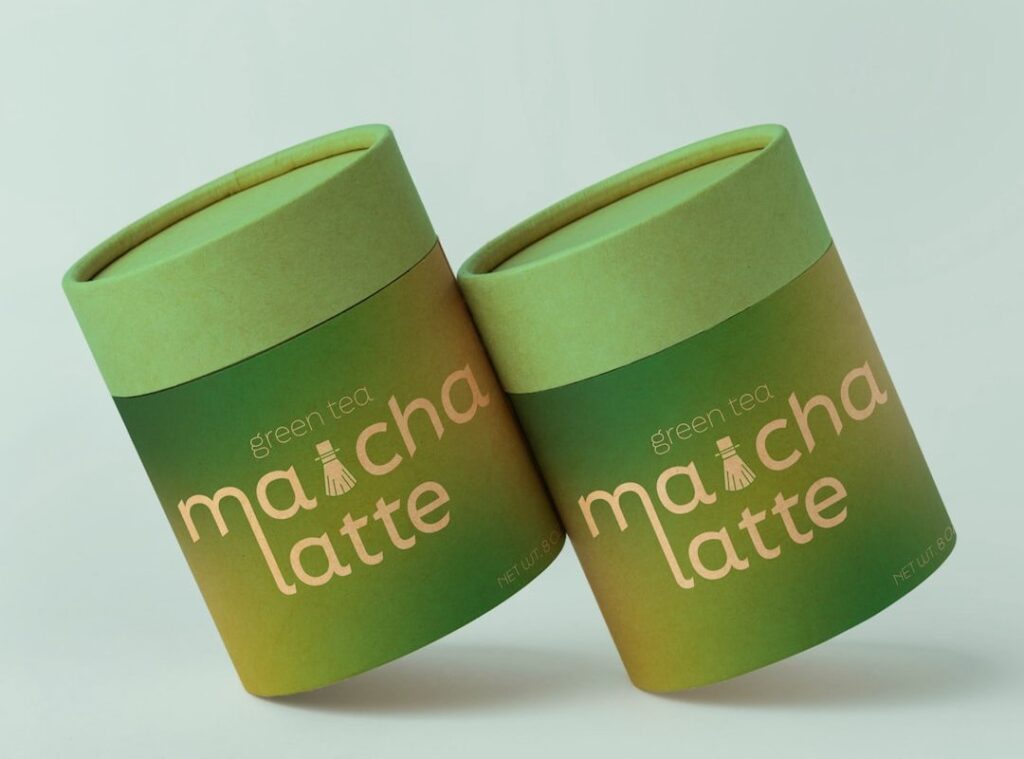
Ever notice how food packaging is everywhere? It’s all over our kitchens, our trash cans, and even our oceans. That’s why sustainable food packaging is more than just a trendy buzzword.
It’s a necessary revolution. I can’t stand seeing waste pile up, and I bet you can’t either. But what can we actually do about it?
Here’s where it gets interesting. Imagine packaging that doesn’t just reduce waste but also enhances your culinary experience. Sounds too good to be true?
It’s not. We’ve tapped into expert takeaways to explore how sustainable packaging is transforming our food habits and saving our planet.
You might ask, “Isn’t this just another green fad?” Nope. This stuff is backed by a blend of science and common sense. You’ll learn about materials that break down naturally, companies that are changing the game, and how you can make smarter choices.
Stick around. Your next meal, and the planet, will thank you.
Packaging: The Unsung Hero of Your Dish
Packaging is the last stop in the culinary journey and speaks volumes about your brand’s values. Imagine a high-end farm-to-table restaurant serving takeout in styrofoam. It screams disconnect.
Consumers notice when the packaging doesn’t match the restaurant’s ethos. It’s a turn-off.
In today’s world, folks are more conscious than ever about sustainable food packaging. They want to support brands aligning with their values. It’s not just about what’s inside the box.
It’s the whole experience. A thoughtfully chosen container can keep your meal warm, prevent sogginess, and even maintain the dish’s intended flavor. Cheap options?
They’ll fail you, every time.
They appreciate the effort. When you skimp on packaging, you’re cutting corners on customer satisfaction. Why risk it?
Here’s the kicker: the right packaging is an investment, not an expense. It builds brand loyalty. Customers remember these things.
Let’s face it, the culinary world is shifting. People are looking for authenticity and sustainability. And it’s not just about food.
With food delivery apps changing eating habits, packaging is more important than ever. It can make or break the experience. So, don’t underestimate its power.
Decoding the Terminology: What’s Compostable, Biodegradable,?
When it comes to sustainable food packaging, the jargon can be a bit much, right? Let’s break it down.
Biodegradable
Biodegradable sounds great. I mean, who doesn’t want their waste to just disappear into thin air? But here’s the catch: it’s a vague term.
Something being biodegradable doesn’t mean it happens overnight. It can take years, and often you end up with pesky microplastics lingering in the environment. That’s not exactly what you’d call earth-friendly.
Compostable
Now, compostable materials are a different beast. They break down into nutrient-rich humus, the good stuff for your garden. But (and there’s always a but) not all compostable items are created equal. ‘Home compostable’ means you can chuck it in your backyard pile. ‘Industrially compostable’ needs a facility with the right conditions.
Without those, it’s just wishful thinking. Look for labels before tossing it in your home compost bin.
Recyclable
Recyclable. Sounds simple, right? Unfortunately, it’s not always so straightforward.
Sure, it’s supposed to mean turning old stuff into new products. But have you seen a greasy pizza box? That’s a recyclable nightmare.
Contamination is a big pain point for food businesses. Once grease or food scraps cling on, it’s no longer good for the recycling bin. That’s where we often slip up.
Let’s sum it up quickly:
| Term | Key Point |
|---|---|
| Biodegradable | Breaks down over time, but can leave microplastics |
| Compostable | Turns into humus, needs specific conditions |
| Recyclable | Can become new products, if uncontaminated |
Eco-Friendly Chef’s Guide: Materials Matter
When it comes to sustainable food packaging, choosing the right material for each dish is key. to what works and why.
Bagasse (Sugarcane Fiber)
First up, Bagasse. It’s sturdy, resistant to oil and heat, and holds up well with saucy dishes. Imagine serving a curry or stew.
No one wants a soggy mess. Bagasse handles it like a pro. And you won’t have to fret about microwaving.
PLA (Corn Starch Bioplastic)
PLA, on the other hand, might trick you at first. Looks plastic, feels plastic, but it’s compostable. What’s the catch?
Heat. It’s perfect for cold salads, desserts, and iced coffees. But for hot foods?
Forget it. Use it once, toss it in the compost, and sleep easy.
Bamboo
Next, think bamboo. It’s the fancy one. Feels premium, looks posh.
Perfect for bento boxes and takeout containers. It costs a bit more, but presentation counts for something, right? Think date-night level when you’re serving upscale takeout.
It’s strong, so load it up.
PFAS-Free Molded Fiber & Recycled Cardboard
Finally, there’s PFAS-free molded fiber and recycled cardboard. It’s the go-to for sandwiches, wraps, and bakery items. Looking for clamshells?
Done. And let’s not mess around with chemicals. Always check for that PFAS-free label.
No one wants a side of harmful chemicals with their burger.
Switching gears for a moment, if you’re into exploring new culinary landscapes, look into Exploring Street Foods Southeast Asia. It’s a tasty journey that might just inspire your next eco-friendly package experiment.
In the end, picking the right packaging is like matching a wine to a dish. It’s about best fit and taste matters. So, when you’re deciding, don’t just think about the environment.
Think about the food itself. After all, sustainability starts in the kitchen.
The True Cost of Going Green
Let’s talk about money. Sustainable food packaging sounds great, but the truth is (and you know this) it’s pricier. Traditional plastic and styrofoam are cheaper upfront.
I get it, I’ve been there. But here’s the thing: it’s not just a cost. It’s an investment.
Brands that pivot to eco-friendly options build equity. Customers notice, and they’re loyal to companies that care. Some are even fine with a slight price bump for sustainability.
Managing costs is possible. Buy in bulk. Choose suppliers with clear pricing.
Adjust menu prices subtly while explaining the value to your diners. The transparency earns trust. Curious about details?
Check out this breakdown.
Pro tip: Add an “eco-fee.” Many customers are willing to pay it if you’re upfront. It’s about creating a conversation rather than a transaction. Wouldn’t you agree?
Partner Up: Don’t Get Fooled by Greenwashing
Looking for sustainable food packaging can feel like navigating a minefield. Ever heard of greenwashing? It’s when companies make vague claims about being “eco-friendly” without any real proof.
Don’t fall for it. I can’t stress this enough: be skeptical. Always ask where materials are sourced from.
If they can’t answer, that’s a red flag.
Third-party certifications like BPI Certified Compostable are a good start. They offer some credibility (not just empty promises). And what’s with those generic terms? “Eco-friendly” means nothing without specifics.
Sampling is your best friend. Request samples and test them with your menu items. Does the packaging hold up under heat?
Is it sturdy? Leaks are a dealbreaker.
Pro tip: Trust but verify. If something seems too good to be true, it probably is. Your choice in packaging partners matters.
Why settle for just a package when you can have a real partner?
Package Smarter, Not Harder
Choosing the right packaging feels like a maze, doesn’t it? But it’s key for the modern food experience. When you grasp the terms and align the material with your food, you make a choice that benefits both your business and the planet.
Your packaging isn’t just a container; it’s a message about your brand’s values. Want the world to know you care? Start small.
Audit one menu item. Use this guide to find a better, more sustainable food packaging option today. Make your brand’s quality and values clear.
Ready to send the right message? Start now.
 Deyvanna Zelthanna writes the kind of kitchen prep mastery content that people actually send to each other. Not because it's flashy or controversial, but because it's the sort of thing where you read it and immediately think of three people who need to see it. Deyvanna has a talent for identifying the questions that a lot of people have but haven't quite figured out how to articulate yet — and then answering them properly.
They covers a lot of ground: Kitchen Prep Mastery, Global Food Trends, Culinary Pulse, and plenty of adjacent territory that doesn't always get treated with the same seriousness. The consistency across all of it is a certain kind of respect for the reader. Deyvanna doesn't assume people are stupid, and they doesn't assume they know everything either. They writes for someone who is genuinely trying to figure something out — because that's usually who's actually reading. That assumption shapes everything from how they structures an explanation to how much background they includes before getting to the point.
Beyond the practical stuff, there's something in Deyvanna's writing that reflects a real investment in the subject — not performed enthusiasm, but the kind of sustained interest that produces insight over time. They has been paying attention to kitchen prep mastery long enough that they notices things a more casual observer would miss. That depth shows up in the work in ways that are hard to fake.
Deyvanna Zelthanna writes the kind of kitchen prep mastery content that people actually send to each other. Not because it's flashy or controversial, but because it's the sort of thing where you read it and immediately think of three people who need to see it. Deyvanna has a talent for identifying the questions that a lot of people have but haven't quite figured out how to articulate yet — and then answering them properly.
They covers a lot of ground: Kitchen Prep Mastery, Global Food Trends, Culinary Pulse, and plenty of adjacent territory that doesn't always get treated with the same seriousness. The consistency across all of it is a certain kind of respect for the reader. Deyvanna doesn't assume people are stupid, and they doesn't assume they know everything either. They writes for someone who is genuinely trying to figure something out — because that's usually who's actually reading. That assumption shapes everything from how they structures an explanation to how much background they includes before getting to the point.
Beyond the practical stuff, there's something in Deyvanna's writing that reflects a real investment in the subject — not performed enthusiasm, but the kind of sustained interest that produces insight over time. They has been paying attention to kitchen prep mastery long enough that they notices things a more casual observer would miss. That depth shows up in the work in ways that are hard to fake.